Nova Scotia Winter Road Trip: What Actually Works
Affiliate note: This article may contain affiliate links, which means I may earn a small commission if you book or buy through them – at no extra cost to you. I only recommend things that make sense for this kind of trip.
Picture it: a slow dinner in Halifax with the harbour going dark outside, then a morning drive to a coastal town where the main street is quiet, the bakery is warm, and you have nowhere else to be until tomorrow. Or a day built around skiing, with the drive, hill conditions and evening plans worked out before you leave. That’s a Nova Scotia winter road trip at its best, and it’s a very good trip.
It does run on different rules from summer, though. Plenty of seasonal businesses close, daylight runs short, and weather can rearrange your plans overnight. The routes that work in winter are smaller, built around confirmed places to sleep and eat, and loose enough to bend when a storm rolls through.
Quick Answer
Yes, a winter road trip in Nova Scotia can work well. For most first-time winter visitors, the strongest plan is Halifax plus one regional extension: a South Shore town, the eastern Annapolis Valley, or a dedicated ski day when the hills are operating.
You don’t need to change hotels every night. One base with day excursions, or two bases at most, gives you more time actually enjoying the place and fewer hours staring at a windshield. And no route is guaranteed safe or open just because it’s short or follows a major highway. Build in a day you can give back to the weather.
Which Kind of Nova Scotia Winter Road Trip Fits Your Trip?
Think of these as three separate trips, each with its own purpose. Pick one. Stringing all three together in a single short visit is how a relaxed break turns into a driving marathon.
A. Halifax + Lunenburg / Mahone Bay
Best for: a city stay plus one South Shore overnight.
This is the coastal-town version. The appeal in winter is the towns themselves: colourful streets with fewer crowds, a long lunch, a wander through whatever shops and galleries are keeping winter hours, and short outdoor time when the weather allows. Confirm your accommodation and at least your evening meal before you go, since small-town winter hours can be thin and change week to week.
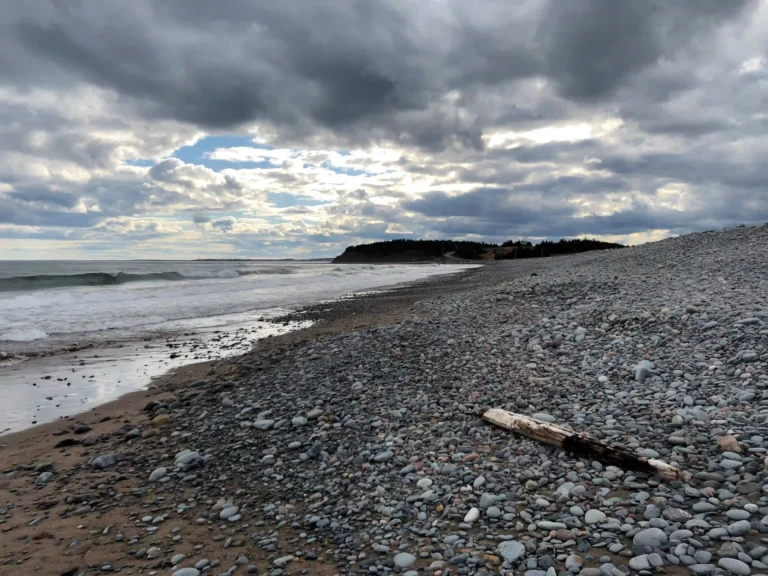
What you shouldn’t build the trip around is beaches, exposed headlands or the summer attraction list. Some of that will be closed, and some of it is simply less fun in a raw coastal wind.
Peggy’s Cove is optional, not a compulsory stop on the way. If you go, check road and site conditions first, stay on the safe viewing areas, and keep well off the dark, wet rocks. Storm surf there is dramatic from a distance and dangerous up close, so a stormy day is a reason to skip it, not to go watch.
For where to sleep, the South Shore accommodation guide helps you choose a town base. Just confirm winter operation directly with any property before booking.
B. Halifax + Wolfville / the Eastern Valley
Best for: a town-based overnight built around dinner, a specific tasting or one attraction you’ve confirmed is open.
Wolfville has the restaurants and the small-town walkability to make a winter night feel worthwhile. The trick is to build the visit around something specific and confirmed, rather than trying to recreate the autumn orchard-and-winery circuit.
“Wine country” doesn’t mean every tasting room is open in January. Check individual winter hours, and book where booking is possible. If wineries are part of the plan, use arranged transport or a designated driver who isn’t drinking. Winter roads plus tastings is a bad combination, and nobody needs to explain that one twice.
The Annapolis Valley accommodation guide covers base options in the area. Ski Martock sits on the Halifax side of the Valley, so it can work as a separate ski-led branch of this trip if it’s operating. Treat it as its own day, not an automatic extra squeezed into a busy town day.
C. A Ski-Led Trip
Best for: people whose main reason for leaving Halifax is to ski or snowboard.
Martock and Wentworth sit in different directions from Halifax, so pick one rather than treating them as stops on a scenic loop.
For a single ski day, compare doing it as a day excursion from Halifax with staying closer to the hill the night before. If you’re planning multiple ski days, a base near the hill starts to make more sense than repeating the drive.
Both operators say their hours shift with weather, snow and holidays. Before you commit, check Martock’s hours page or Wentworth’s hours of operation, along with their current conditions, tickets, lessons and rentals. Then check the full road journey there and back, not just the hill. A great snow day on the mountain can be a messy one on the highway.
A Sample Shape: Five Days, Four Nights
Treat this as a flexible outline. The structure matters more than the clock.
- Day 1: Arrive and stay in Halifax. Depending on your flight, this may be a half day or just an evening. Count it honestly.
- Day 2: Halifax city day. If the forecast suggests moving the regional overnight, check that both your city and regional bookings can be changed before rearranging the days. Otherwise, keep Halifax as your base and make the regional outing optional. The Halifax winter activities guide has ideas for city time when conditions allow.
- Day 3: Drive out and overnight. Choose the South Shore or the Valley, not both.
- Day 4: Morning in town, then return toward Halifax. Leave room to change plans if the afternoon forecast shifts.
- Day 5: Departure.
Five calendar days are not five full sightseeing days. Arrival and departure eat into the edges, and that’s normal.
Don’t place a distant overnight right before a fixed early flight. Spending your final night in Halifax shortens the drive you have left, though it can’t guarantee the airport road is clear or that your flight leaves on time. For choosing that city base, see where to stay in Halifax in winter.
If regional conditions turn poor, staying in Halifax the whole time is still a perfectly good version of this trip. It’s a city with plenty going on. Just don’t assume any particular indoor attraction will stay open during a storm, either.
What About Cape Breton and the Cabot Trail in Winter?
Cape Breton is possible in winter, but it deserves its own trip rather than a tacked-on extension of a short Halifax break.
According to Parks Canada’s operating information for Cape Breton Highlands National Park, the Cabot Trail itself is open year-round, while the park’s operating season runs roughly May through October, with full services only in the summer peak. Those are two very different things. An open road doesn’t mean visitor services, side roads, trails or local businesses are running, and “open year-round” doesn’t rule out temporary closures in bad weather.
If you’re drawn to a winter Cape Breton trip, treat it as a dedicated one. That means confirmed accommodation and meals for every night, a driver with real winter experience, and enough nights that a weather day doesn’t break the plan. There’s no universal minimum and no guaranteed loop time. Higher terrain and exposed coastal stretches can have very different conditions from what you’re seeing in Halifax.
A few things to rule out early:
- Don’t plan winter hikes, including the Skyline Trail, from summer trail information.
- Don’t assume the whole island shuts down, but don’t assume the summer touring experience is available, either.
- If conditions don’t suit the full loop, change the route. Turning back early still counts as a good trip.
Is December or Later Winter Better for a Road Trip?
Neither is automatically better. They suit different trips.
December can add holiday programming and a festive feel to town visits. But many events wrap up before Christmas, and holiday closures are common, so check what’s actually running on your dates. If December is your month, the Nova Scotia in December guide covers the month in more detail.
Later winter can suit a ski-focused trip when operators are open. It doesn’t come with guaranteed snow or easier driving, though.
March can tease spring. Plan for winter anyway.
Before You Commit to the Route
This is where a good winter trip gets made. Most of it is boring, and all of it matters.
- Confirm accommodation and meals on your actual dates. Don’t assume a restaurant near your hotel is open because it was on a map.
- Check late check-in, parking, and cancellation or change terms. Flexible bookings are worth more in winter.
- Ask your rental provider directly about winter tires and equipment. Don’t assume every rental includes them. If you’re still deciding whether you need a car at all, read should you rent a car in Nova Scotia.
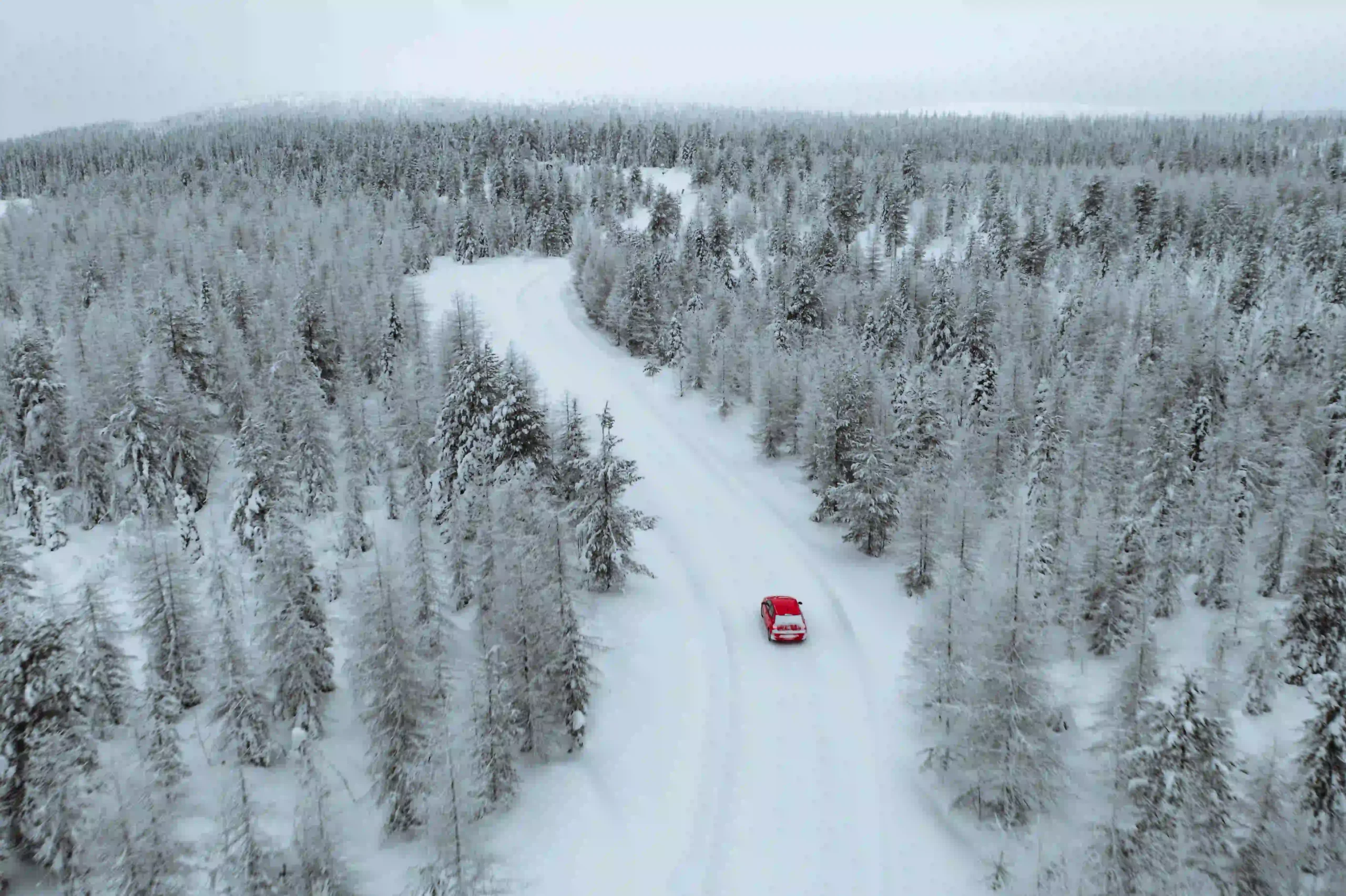
- Don’t treat AWD or an SUV as a substitute for proper tires, winter driving experience, or the option of not driving. The province’s official winter driving tips recommend proper winter tires in good condition, warn about black ice around the freezing mark, and advise against passing a plow that’s clearing the road.
- Plan the rural part of the drive for daylight where you can. There’s no magic number of safe driving hours. Short days just leave less margin.
- Keep fuel or charge margins generous, and carry warm clothing and basic emergency supplies. The province keeps a short emergency car kit list worth packing from. If you’re driving electric, confirm a charger is working rather than trusting its map pin.
- Check the destination weather and the whole route, not just Halifax’s forecast.
- Avoid fixed bookings that would force you to drive through hazardous conditions to keep them.
What Should You Check the Morning You Drive?
Make the go or no-go call on the morning itself. A plan made a week ago is just a draft.
- Weather alerts for your route and destination, from Environment and Climate Change Canada’s Nova Scotia alert table.
- Road reports and cameras on 511 Nova Scotia, which maps road conditions, closures, incidents and highway cameras by region. The province’s winter travel page also links the plow tracker and webcams.
- Venue status: is the place you’re driving to actually open today?
- The return route, not only the outbound one.
The province’s own advice is plain: don’t drive during a storm. If conditions are beyond the driver’s experience, postpone optional travel too. A clear report isn’t a safety guarantee, since conditions and information can change while you’re on the road.
If the advice is not to travel, stay put rather than swapping in a different attraction. Plan for food at your accommodation and reassess before making another outing.
The Decision That Makes the Trip
The best Nova Scotia winter road trips start with one choice: what’s the single regional purpose of this trip? A coastal town. A Valley dinner. A ski day. Pick one, confirm the beds, meals and operators that support it, and leave yourself room not to drive.
Do that, and winter stops being the thing that wrecks your plans. It becomes the quiet season you came for.