Japan Travel Guide: Everything You Need to Know Before You Go
Affiliate note: This article may contain affiliate links, which means I may earn a small commission if you book or buy through them – at no extra cost to you. I only recommend things that make sense for this kind of trip.
Japan doesn’t ease you in. You step off the plane, and the place immediately makes a case for itself — the trains run to the second, the convenience store food is better than most restaurants back home, and somehow everything is both ancient and wildly modern at the same time.
I’ve been back three times. I still haven’t figured it out entirely. That’s kind of the point.
This guide covers the whole country — not just the well-worn Tokyo-Kyoto-Osaka corridor. If you’re planning your first trip, or you’re ready to go deeper on your second, here’s everything you need.
Japan Has Four Main Islands — Here’s Why That Matters
Most travellers don’t realise that Japan is an archipelago of over 6,800 islands. But the four main ones — Honshu, Hokkaido, Kyushu, and Shikoku — account for the vast majority of the country’s land mass and most of what you’ll want to see.
Understanding the geography before you book saves you from the classic mistake: trying to cram Kyoto, Sapporo, and Okinawa into one two-week trip. (You can’t. Don’t try.)
Honshu is the main island and home to Tokyo, Kyoto, Osaka, Hiroshima, and most of the famous stuff. This is where most first-timers spend their entire trip — and honestly, it’s enough on its own.
Hokkaido is the northern island. Cold, vast, and spectacularly uncrowded compared to Honshu. Famous for powder skiing, lavender fields, fresh seafood (particularly crab and uni), and the kind of landscapes that make you feel like you’ve accidentally wandered into a screensaver.
Kyushu is the southwestern island — warmer, volcanic, and home to Fukuoka (which regularly tops lists of the most liveable cities in Asia) and the steaming onsen town of Beppu.
Shikoku is the smallest of the four and the least visited. If you’re on your third or fourth trip and want to go somewhere most tourists skip entirely, the 88-temple pilgrimage route here is one of the most remarkable walks in the world.
And then there’s Okinawa — technically its own archipelago about 1,000km south of the main islands. Turquoise water, white sand beaches, a completely different culture and cuisine, and a complex history that the rest of Japan sometimes glosses over. It’s subtropical, it doesn’t feel like the Japan you’ve seen in photos, and that’s exactly why it’s worth going.
Where to Go: The Destinations Worth Your Time
Tokyo
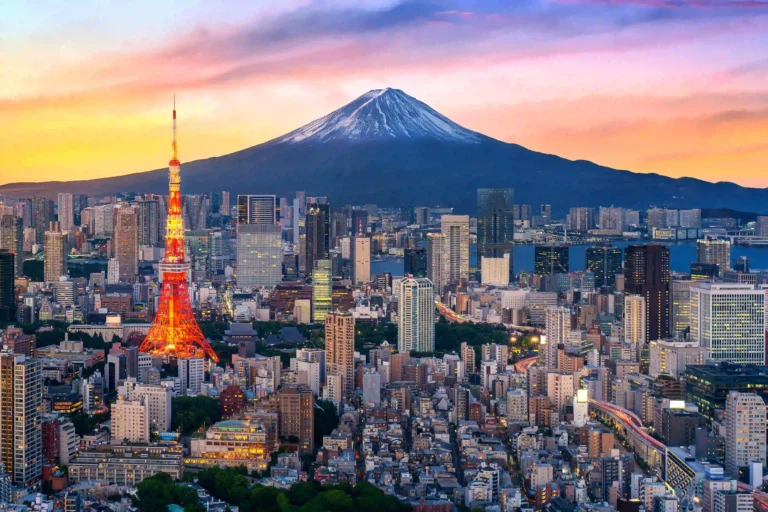
Tokyo is the most straightforward recommendation in travel writing. Go. It delivers.
The city is enormous — around 14 million people in the city proper, more than 37 million in the greater metro area — but the metro is bewildering on paper and intuitive in practice. Within a day you’ll have it figured out.
Senso-ji temple in Asakusa is the classic first morning stop: old Tokyo, incense smoke, street food stalls, pilgrims mixed with tourists. Go early. By 9am the selfie sticks outnumber the worshippers. Shibuya Crossing at night hits different than any photo you’ve seen of it. Tokyo Skytree is optional — the views are impressive, the queues are long.
The real Tokyo is in the neighbourhoods. Shimokitazawa for vintage shops and live music. Yanaka for the feeling that the 1950s didn’t quite end. Shimokitazawa for a very different night out than Roppongi.
Kyoto
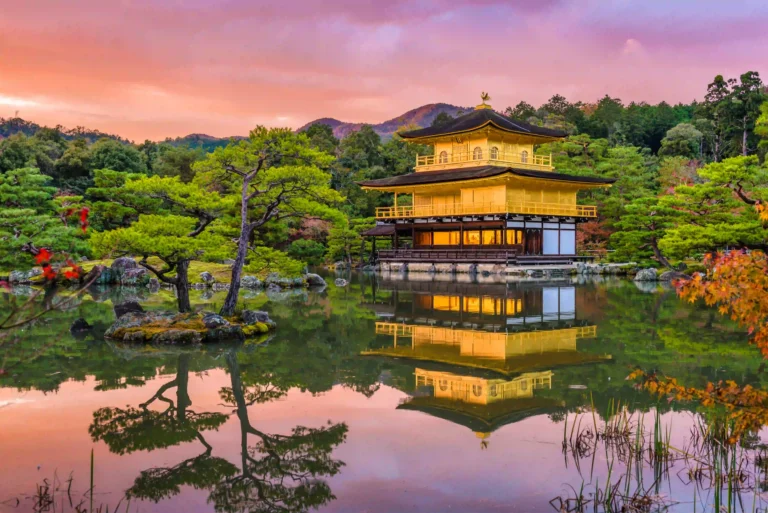
Kyoto rewards patience. It’s one of those cities that shows you more the longer you stay — temples tucked down alleyways you’d miss on a rushed itinerary, neighbourhoods that look completely different at 6am than they do at noon.
I arrived early (around 6:30am) at Kiyomizu-dera on my first morning and had the view over the rooftops almost entirely to myself. Cool air, no crowd, the city laid out below like a map. By 9am the same spot was packed shoulder to shoulder. The early start made the whole difference — it’s a tactic worth applying everywhere in Kyoto.
The bamboo grove at Arashiyama is worth it — though fair warning: it’s smaller than most photos suggest. Long lenses make it look like a tunnel through a forest. It’s more of a path through tall bamboo. Still worth it — just go before 8am and you’ll actually enjoy it rather than document it.
Getting around on the day bus pass is the move. Trains are faster, but buses take you to the temple gates. Google Maps + bus pass = the sweet spot.
Fushimi Inari deserves a full morning, not a rushed hour. The thousands of torii gates continue up the mountain long past where most tourists turn back. Keep going. The crowds thin out quickly after the first 20 minutes, and the top section is a completely different experience.
Osaka
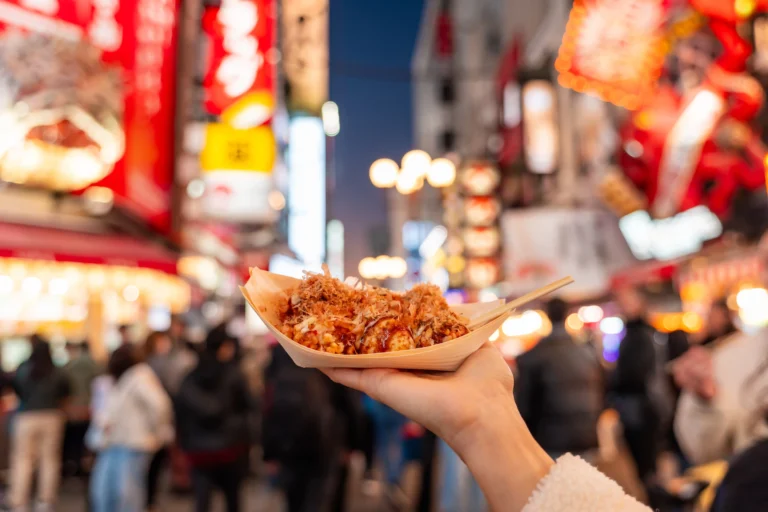
Osaka is where you eat. That’s not a reductive summary — that’s the actual purpose of going to Osaka. The city has a culinary culture that’s arguably more adventurous than Tokyo’s, and certainly more down-to-earth. Takoyaki (octopus balls), okonomiyaki, ramen shops open until 3am, street food in Dotonbori at midnight. The full Osaka guide is here, but the short version: eat more than you planned to.
Osaka Castle is worth a look but skip the interior museum unless you’re particularly interested in the Toyotomi clan. The park around it is lovely.
Hokkaido
Hokkaido is a different pace entirely. The island is roughly the size of Austria, with a fraction of the population — space, silence, and serious nature. Sapporo is the main city and very liveable. The Susukino nightlife area is worth an evening. But the real reason to come is to get out of the city.
In winter, Niseko and Furano are among the best ski destinations in the world — reliable powder, good infrastructure, and increasingly international crowds (which has pushed prices up, but hasn’t diminished the skiing). Furano in summer is famous for its lavender fields, which peak around late July.
Hokkaido seafood is outstanding. Sea urchin (uni), king crab, salmon — the freshness here is noticeably different from what you’ll find in Tokyo. If you can visit the Nijo morning market in Sapporo when it’s in full swing, do it.
Okinawa
Okinawa sits in its own category. The main island has a distinctly different culture from mainland Japan — influenced by centuries of trade with China, Southeast Asia, and the Ryukyu Kingdom that once ruled here. The food is different (try goya champuru, a bitter melon stir-fry), the architecture is different, the beaches are actually tropical.
The Churaumi Aquarium in northern Okinawa is one of the largest in the world and worth a half-day. But most people come for the beaches: Emerald Beach, the Kerama Islands (a short ferry from Naha), and the more remote islands like Ishigaki and Miyako, which are up there with the best beach destinations in Asia.
One thing to be aware of: Okinawa carries significant WWII history, and the museums and memorials here approach it with a weight and honesty that deserves respect and a bit of time.
How Do You Get Around Japan Without Losing Your Mind?
The Japan Rail Pass is the standard recommendation for tourists doing a multi-city trip. Prices were revised upward significantly in 2023, so it’s worth doing the maths before committing. The 7-day pass costs around 50,000 JPY. If you’re doing Tokyo → Kyoto → Osaka → back to Tokyo in a week, it roughly breaks even. If you’re moving more slowly, buying individual Shinkansen tickets is often cheaper.
The IC card (Suica or Pasmo) is non-negotiable. Load it with cash, tap in and out of every train and bus, use it at convenience stores and vending machines. Getting one at the airport is the first thing you should do after landing.
For Hokkaido and Okinawa, you’ll want to consider flying — both domestic routes are well-served by budget carriers like Peach and Jetstar Japan, and you can sometimes find connections from Haneda or Osaka for well under 10,000 JPY if you book ahead.
For getting around inside cities: bus passes in Kyoto, the subway in Tokyo and Osaka. For exploring Hokkaido’s countryside or Okinawa’s north, renting a car makes a huge difference.
What Does a Trip to Japan Actually Cost?
Japan has a reputation for being expensive. It’s more nuanced than that.
Budget travellers staying in hostels and eating at convenience stores and ramen shops can get by on 15,000–17,000 JPY per day (roughly $100–115 USD) — excluding flights. Onigiri, soba, and 7-Eleven food will surprise you — the quality rivals most restaurants at a fraction of the price.
Mid-range — business hotels, sit-down meals, the occasional splurge — runs 25,000–35,000 JPY per day ($165–235 USD). This is the sweet spot for most independent travellers.
Upscale — ryokan stays with multi-course kaiseki dinners, private onsen, the full treatment — starts around 70,000–100,000 JPY per day ($470–670 USD) and has essentially no ceiling.
A few things worth knowing: museum and temple entry fees add up faster than you’d expect (budget a few thousand yen per day for sightseeing). The food budget can be kept surprisingly low without sacrificing quality. And the budget hack that actually works: supermarkets after 8pm discount prepared food — bento boxes and sushi — by up to 50%.
For detailed accommodation options across Japan, the accommodation guide has you covered.
When Is the Best Time to Visit Japan?
The honest answer is that Japan is worth visiting year-round, and the “best” time depends entirely on what you’re after.
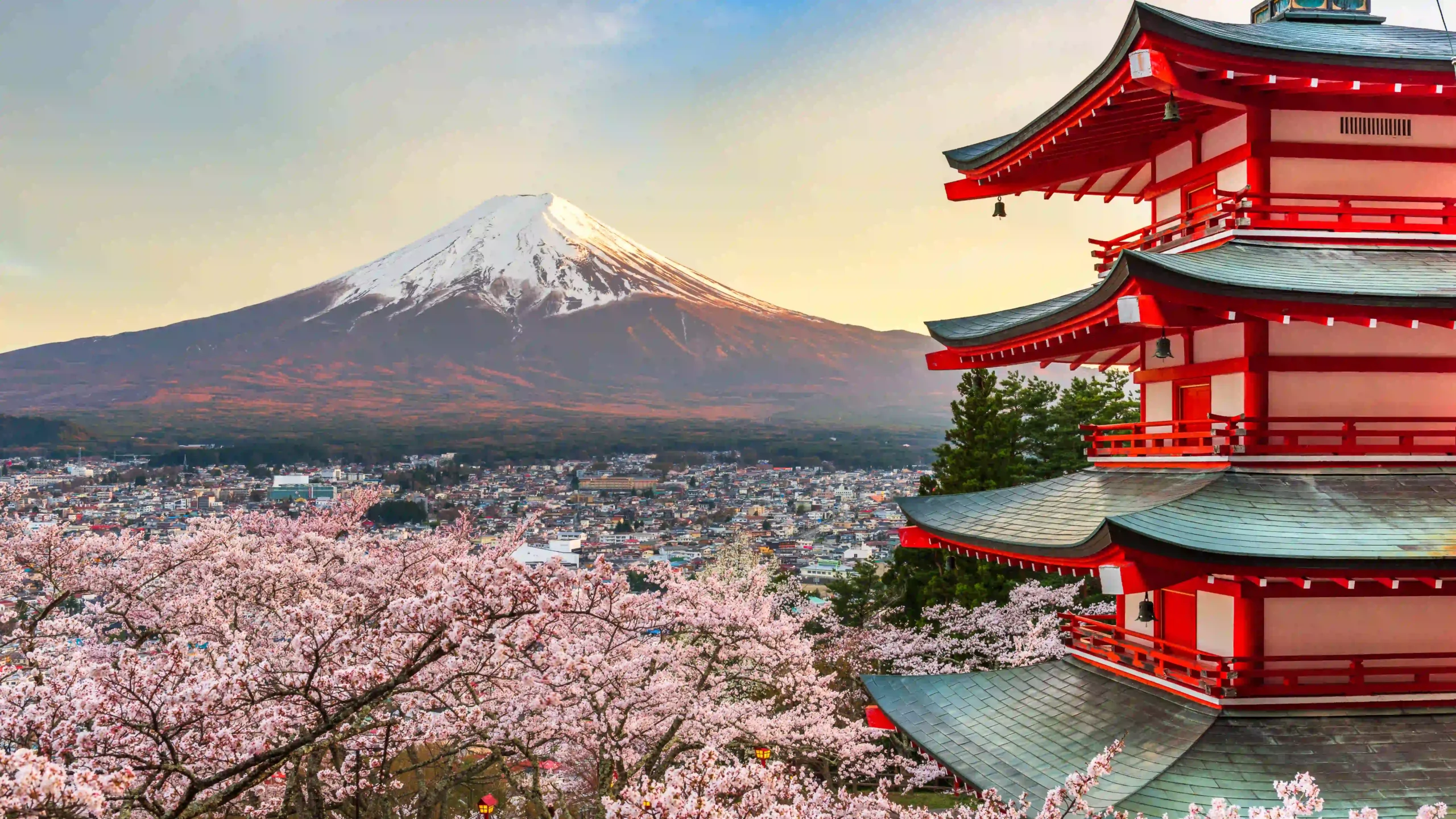
Spring (March–May) is cherry blossom season — the most famous reason people visit. The crowds are real, the prices spike, and the sakura windows are short (usually around one week per location). It’s also the kind of thing you do once and don’t forget.
Autumn (October–November) is arguably better for first-timers. The autumn foliage (koyo) is spectacular, the weather is comfortable, the crowds are lighter than spring, and accommodation prices are more reasonable.
Winter (December–February) means skiing in Hokkaido, fewer tourists almost everywhere, and some of the best deals of the year. Kyoto in the snow is something to see.
Summer (June–August) is humid and hot on the main islands. Festivals are frequent and worth seeking out — the Gion Matsuri in Kyoto (July) is one of the great street festivals anywhere — but the heat is not to be underestimated. Okinawa’s beach season peaks here.
A useful planning resource: the travel itineraries page has sample week-by-week plans for different trip lengths.
What Should You Know Before You Go?
A few practical things that catch people off-guard:
Cash still matters. Japan is less cashless than most of Asia. Many smaller restaurants, rural accommodations, and traditional shops are cash-only. Keep a reasonable amount on you.
No tipping. Ever. Not in restaurants, not in taxis, not at ryokan. It’s not customary, and can actually cause confusion or offence.
Convenience stores are your friend. 7-Eleven, FamilyMart, and Lawson in Japan are not what you’re imagining. They’re clean, cheap, open 24 hours, and the food is actually good. Hot snacks, fresh sandwiches, onigiri, coffee. Budget travellers should embrace them.
Get an eSIM before you land. Physical SIM card queues at airports are a waste of arrival-day energy. Services like GigSky or Ubigi let you activate data before your flight lands.
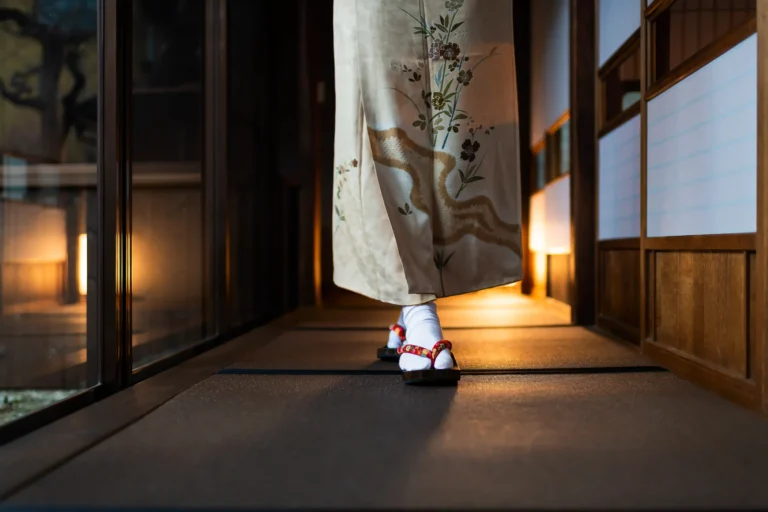
Remove your shoes. At traditional restaurants with tatami seating, ryokan, many temples, and private homes. You’ll see slippers at the entrance — that’s the cue.
And pack layers regardless of season. The Shinkansen is air-conditioned to arctic levels. Temples and shrines involve a lot of outdoor walking. Bring something you can take on and off.
Planning Your Trip: A Few Practical Pointers
Japan is one of the more straightforward countries to navigate independently — infrastructure is excellent, English signage is common in tourist areas, and the general helpfulness of people you encounter is not a cliché.
If it’s your first trip, a loose itinerary with accommodation booked in advance makes the first few days much easier. You don’t need to over-plan every hour, but knowing where you’re sleeping and which cities you’re hitting avoids expensive last-minute decisions.
For flights and finding the right entry points, the flight tips guide has strategies for finding good deals into Tokyo (Narita or Haneda) or Osaka (Kansai International).
Japan rewards coming back. The first trip is Tokyo and Kyoto. The second is where it gets interesting.
Have you been to Japan, or are you planning a first trip? Drop your questions in the comments — happy to help you figure out the route.