Maine Winter Road Trip: Routes That Make Sense
Affiliate note: This article may contain affiliate links, which means I may earn a small commission if you book or buy through them – at no extra cost to you. I only recommend things that make sense for this kind of trip.
A summer Maine itinerary can treat the car as part of the fun. You pull over when something looks good, eat late and drive on in long evening light.
Winter changes that. It gets dark in the late afternoon, some kitchens close early or close for the season, and one storm can cancel a transfer day. A Maine winter road trip works best when the driving gets you between stays that are worth it, not when the driving becomes the main event every day.
So this guide isn’t a list of everything open in Maine between December and March. It covers which places fit together on one trip, how many times you really want to pack the car, where to sleep and how to get back to your flight.
Quick Answer
Pick one trip shape, not all three:
- Portland + one Midcoast base (Camden or Rockland), for town, harbour and a slower coastal pace.
- An Acadia-purpose trip, for when Mount Desert Island in winter is the reason you’re going.
- Portland + one western-mountain base (Sunday River or Sugarloaf), for a snow-sport trip.
These are alternatives, not chapters of one big loop. And if all you want is Portland, you may not need a car at all. The Portland in winter guide covers a city stay without a rental.
These three aren’t the only good winter trips in Maine. Inland and northern Maine have plenty to offer in winter. They’re just three shapes that work well for a first winter visit from a Portland or Bangor arrival.
Which Maine Winter Road Trip Fits Your Days?
| Trip shape | Sample nights | Best for | Main trade-off |
|---|---|---|---|
| Portland + Camden or Rockland | 4 (2 + 2) | Towns, food, harbour walks, a museum or two | Some winter days are quiet; book anchors ahead |
| Acadia as the purpose | 5 (1 + 3 + 1) | Winter park walks, coastal scenery, solitude | Long transfer each way; services are thin |
| Portland + one mountain | 4–5 (1 + 3, or 1 + 3 + 1) | Skiing, riding, lessons | Little to fill days for non-skiers |
The night counts are editorial examples, not minimum stays. Your flight times may push one night from one base to the other.
Route 1: Portland + Camden or Rockland
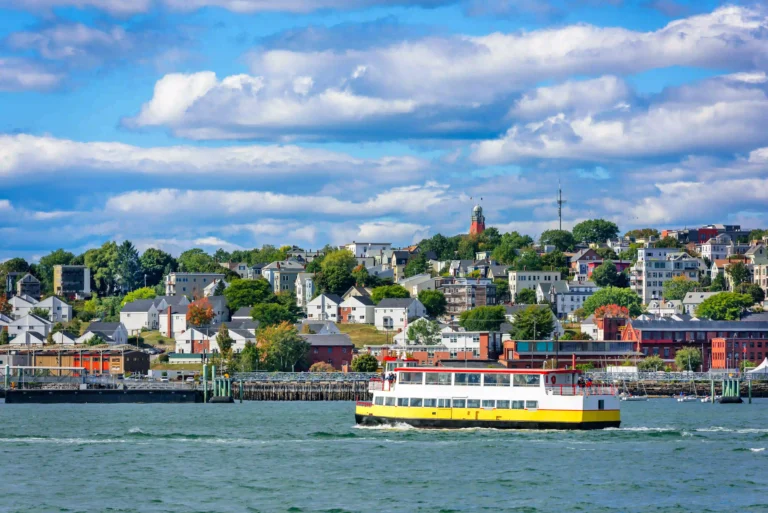
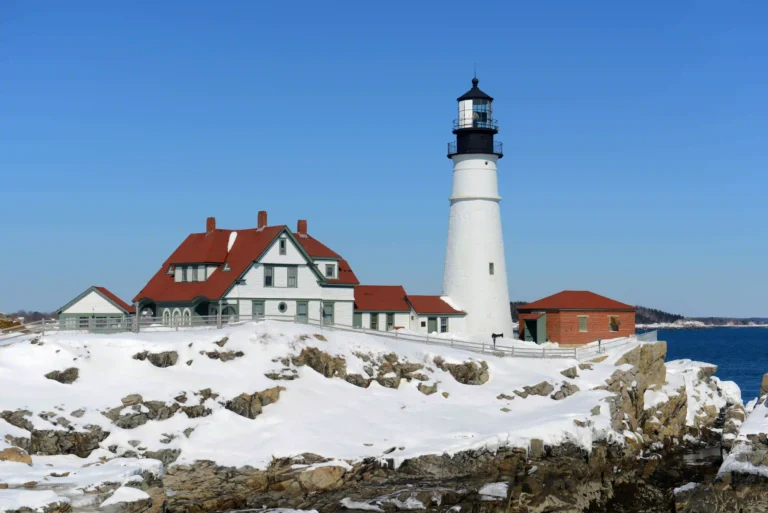
This is the town-and-coast option, with only one change of base.
What Does the Night Allocation Look Like?
4 nights: 2 in Portland + 2 in one Midcoast base.
- Night 1: Portland (arrival)
- Night 2: Portland
- Night 3: Camden or Rockland
- Night 4: Camden or Rockland
- Day 5: drive back to Portland for departure
That gives you one full Portland day, a transfer day, one full Midcoast day and a return morning. It’s not four full sightseeing days, and you shouldn’t plan as if it were.
If your flight leaves early, rework it to 1 Portland + 2 Midcoast + 1 Portland. It’s still four nights, but now you sleep near the airport before you fly. Don’t make an early flight depend on a pre-dawn drive from the Midcoast.
Which Road Gets You There?
Most directions take I-295 north from Portland to the Brunswick exit, then US 1 through Bath, Wiscasset and Waldoboro toward Rockland. Camden is a little further up the coast. Some routes use Route 90 from Warren to bypass downtown Rockland. Either way, it’s a highway leg followed by a long stretch of two-lane US 1, not one continuous coastal road.
A museum, lighthouse or village detour along the way costs real time. It looks close on the map, but it’s still a turn-off, a parking lot and daylight you’ve used up. Pick one stop at most on a transfer day.
Camden or Rockland?
Neither is “better.” It depends on what you’re actually doing.
Rockland suits a trip built around a museum, a gallery or dinner in a working harbour town. Camden suits a trip with a walk or a winter outing in mind, such as the state park or the town’s small ski hill when it’s running. Winter hours and seasonal closures apply to both, so confirm your plans before you choose.
The other town can be a short outing if roads are fine and you have a reason to go. There’s no need for a second hotel.
A good rule: book one confirmed activity or dinner for each Midcoast night, then let short coastal walks fill the gaps when weather allows. That way the stay still works if the harbour is socked in.
For a wider look at which stretch of coast fits winter, the coastal Maine in winter guide covers the regions.
Route 2: Acadia as the Purpose, Not the Last Pin
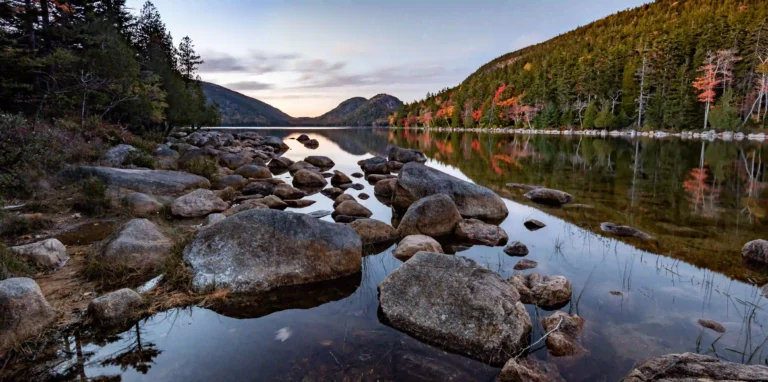
This trip is for readers who specifically want winter Acadia. If the park is just “something to tack on at the end,” skip it. Mount Desert Island is too far to add on for one afternoon.
What Does the Night Allocation Look Like?
5 nights from a Portland arrival:
- Night 1: Portland (arrival)
- Nights 2–4: Mount Desert Island area (3 nights)
- Night 5: Portland (staging for departure)
- Day 6: fly home
On the island, that’s two full days plus a partial arrival day and a departure morning. For a 6-night version, add a fourth island night. That doesn’t add a guaranteed sunny day. It gives you more chances at decent conditions, and that’s all an extra night can promise.
Returning from Mount Desert Island to Portland is a substantial transfer, not a short airport hop. Keep the staging night if your departure would otherwise depend on a tightly timed winter drive. A Bangor departure changes that calculation, but only after you’ve checked the actual route, flight time and rental return arrangements.
Which Approach Should You Drive?
This example uses the inland approach from Portland: I-295 and I-95 north to Bangor, I-395 to Route 1A, east to Ellsworth, then Route 3 onto the island. It isn’t the only inland option. Some directions leave I-95 at Augusta and follow Route 3 east to Ellsworth instead. Check the route from your actual starting point on the day, against current conditions.
The coastal alternative is US 1. It’s only worth choosing if coastal towns are part of the reason for your trip. Don’t plan the inland drive time and then try to fit in coastal stops along the way. Pick one approach and plan around it.
Portland or Bangor Arrival?
The two airports aren’t interchangeable. Bangor sits much closer to the island. Portland usually has more flight choice. A Bangor arrival changes the allocation (you may not need a Portland night at either end), but only if a suitable winter flight actually exists for your dates.
Flying into one and out of the other only makes life easier if the flights, ground transport and any one-way rental fee all work. Check all three before you decide.
What Does Winter Acadia Mean for Your Stay?
Most of the Park Loop Road closes to vehicles for winter. The National Park Service’s winter page lists the short sections that stay open and the current seasonal rules. It’s not a scenic summer loop with snow on it, and you shouldn’t plan on driving up a summit.
Daylight and conditions decide each outing. Choose accommodation that’s open, near food you can actually get to in the evening, and a sensible drive from where you’ll walk. Our Acadia in winter guide covers what you can do once you’re there.
Route 3: Portland + One Mountain Base
This is a trip built around snow sports, not a coast-to-coast sightseeing loop.
What Does the Night Allocation Look Like?
4 nights: 1 Portland (arrival) + 3 at one mountain. 5 nights: 1 Portland + 3 at one mountain + 1 Portland before departure.
Three mountain nights gives you two full days on the hill. A third partial day is possible if you leave after lunch and the return drive allows it. Don’t count your arrival afternoon as a ski day unless you actually land early.
Sunday River or Sugarloaf?
Pick one. These are alternatives. Don’t plan on switching resorts mid-trip with a transfer you haven’t checked.
- Bethel / Newry for Sunday River. From Portland, the broad corridor is the Maine Turnpike and Route 26 toward Bethel. For the final approach into the resort, use Sunday River’s first-visit guide.
- Carrabassett Valley for Sugarloaf. Sugarloaf’s directions from Portland follow I-95 to Augusta, then Route 27 north through Farmington and Kingfield. Other origins approach differently, so use the resort’s page for yours.
If you’re still deciding, Sugarloaf vs Sunday River compares terrain, villages and who each one suits.
Does It Matter Where You Sleep?
Yes. Staying on the mountain can cut out most of the driving to ski, but “slopeside” doesn’t automatically mean close to the lesson meeting point, rental shop or childcare. Check those distances for the specific property. Staying in Bethel or Kingfield may give you more food choice, but it usually adds a morning trip to the mountain. Whether there’s a shuttle, and how often it runs, depends on the town, the property and the season, so check rather than assume.
An “open” resort doesn’t mean every lift, lesson, kids’ program or non-ski activity is running on your dates. When you book, check the resort’s planned operating season, confirm the services your group needs are offered, and read the change and cancellation terms. Closer to the trip, check the current mountain report and what terrain is actually open. Be honest if part of your group doesn’t want to ski: three days at a ski resort with little to do besides ski isn’t much of a holiday for them.
Why Not Drive the Whole Coast?
Because every extra base costs you something. You pack and unpack again, wait at another check-in, and gamble on whether the next town’s restaurants are open on a Tuesday in February.
US 1 also isn’t one long open-ocean view. Much of it runs inland of the water, and the harbours, galleries and headlands mean turning off the through-route. Portland → Midcoast → Acadia → a ski resort is a perfectly real trip. It just isn’t a relaxed short winter one.
Leaving a town out doesn’t mean it’s not worth visiting. It just doesn’t fit this trip’s route.
What If Weather Changes the Plan?
Have your fallbacks decided before a storm forces the question.
- Check the whole corridor, not just your hotel’s forecast. New England 511 shows Maine road information. For forecasts, look up the actual towns on your route through the National Weather Service. The Gray office and the Caribou office cover different parts of Maine, so check the office that covers your destination.
- If the transfer looks hazardous, postpone it. Don’t hunt for a back-road bypass you haven’t checked.
- Call both ends. Ask your current accommodation about extending, and ask the next one about changing your arrival. Neither one has to say yes, and neither has to refund you.
- A fixed flight or event isn’t a reason to drive in hazardous conditions. Contact the airline or organizer and your accommodation about your options; extra costs may be unavoidable.
- A lost day may mean dropping a region, not squeezing everything after it. Two good Midcoast nights beat one rushed night plus a tense drive.
- Indoor places close in storms too. Sometimes staying put is the right call.
There’s a difference between a plan that can flex and bookings that can’t. Once you’ve booked non-refundable rooms, changing your overnight towns isn’t a casual decision anymore. Read the terms before you count on that flexibility.
Rental Timing and Driving Prep
When Should You Pick Up the Car?
If Portland comes first, collecting the car on the day you leave the city can save you a night or two of parking. Check pickup location, hours, holiday service and total price first. A later pickup isn’t automatically cheaper.
What Should You Confirm Before Driving?
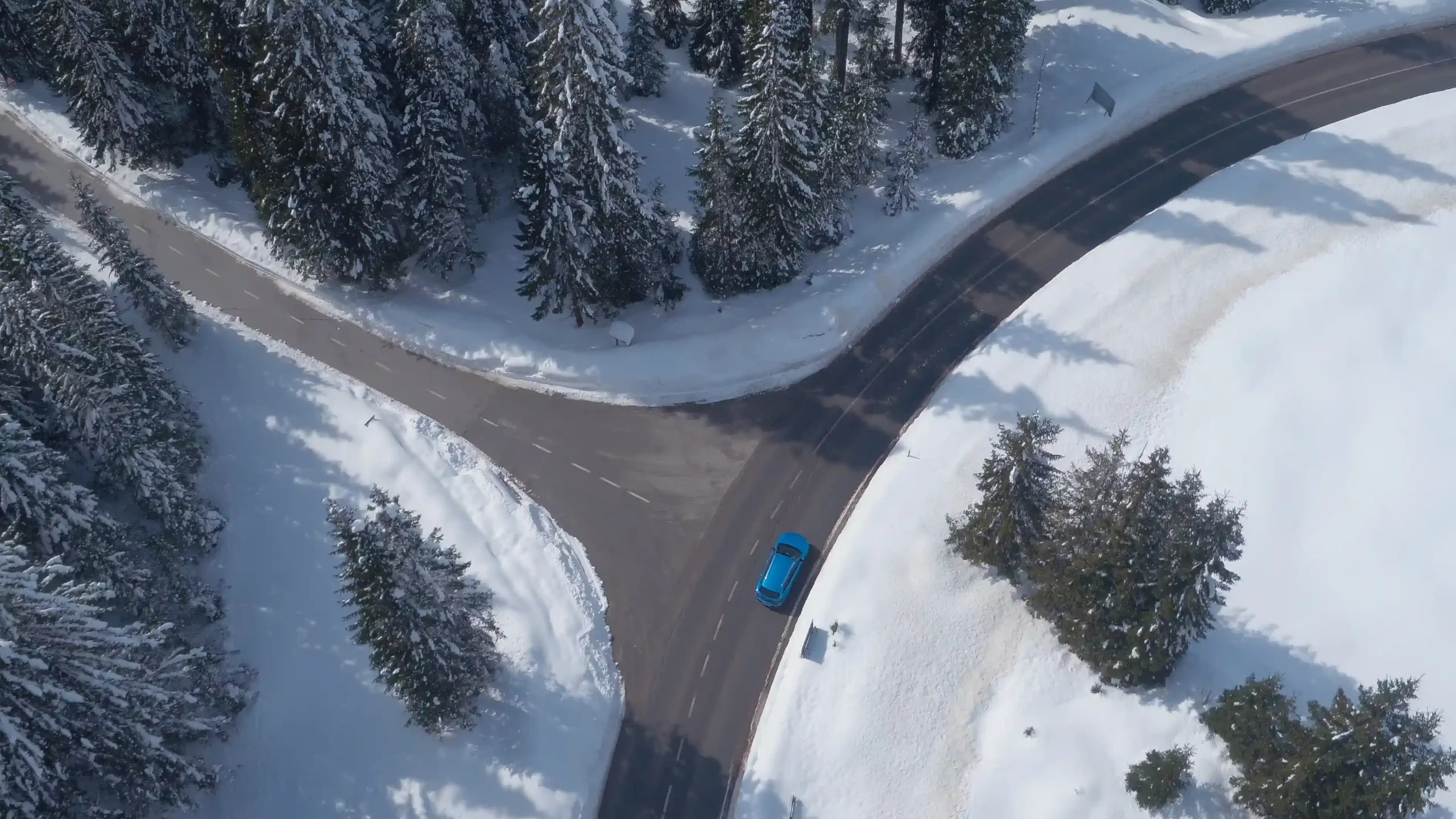
- Ask the rental company directly about winter tires and equipment. All-wheel drive helps you get moving. It doesn’t help you stop on ice, and it’s no substitute for slowing down.
- Know what black ice, low visibility and longer stopping distances mean for you. NHTSA’s winter driving tips cover all three, along with what to keep in the car and what to do if you’re stranded, including keeping the exhaust clear. Follow that official guidance rather than improvising.
- Main roads aren’t always clear or treated right away. Give plows room and respect closures.
- Plan fuel or charging for your actual route. If you’re driving an EV, confirm that the charger works and that your accommodation offers charging. Don’t trust a map pin.
- Carry warm layers, food, water and a basic winter kit. Keep it where you can reach it, not under the luggage.
Before each transfer, check road reports, the forecast, daylight left, fuel or charge, that your next stay and dinner are confirmed, and how you’ll get back. That’s the whole check.
Does December or Later Winter Change the Route?
A little. Holiday events can decide which base you pick and which dates you go, but they run on specific days. Over Christmas week, check meal times, check-in hours and rental counter hours, because all three can shift. Maine in December covers the holiday calendar.
Later winter isn’t automatically cheaper or quieter, especially around ski weeks. Snow-sport conditions depend on what the mountain has open. And March in Maine isn’t spring. It just shows up on a spring calendar.
Pick one shape, give your main base at least two nights (a single night is fine next to the airport), and build in a day you can afford to lose. That’s what makes a Maine winter road trip feel like a holiday instead of a delivery route.