The Best Cycling Routes in Halifax (For Every Kind of Rider)
Affiliate note: This article may contain affiliate links, which means I may earn a small commission if you book or buy through them – at no extra cost to you. I only recommend things that make sense for this kind of trip.
Most people walk the Halifax waterfront. And it’s a good walk — don’t get me wrong. But there’s a version of this city you only see from the saddle: the lakes tucked behind Bayers Lake, the salt marshes stretching out toward Cole Harbour, the Atlantic crashing against rock while you’re still catching your breath from the climb.
Halifax has a surprisingly solid range of cycling routes. Rail trails that are mostly flat and calm. Coastal loops that’ll properly test your legs. And everything in between. The challenge isn’t finding a route — it’s figuring out which one is right for your trip.
This guide helps you choose the right ride for your time, bike, comfort level, and tolerance for traffic — because Halifax cycling can mean anything from a gentle waterfront spin to a long coastal road ride where the Atlantic wind starts making editorial decisions.
Quick Answer: Best Cycling Routes in Halifax
If you want the easiest ride, start with the Halifax Waterfront or Dartmouth Harbourfront. If you want a proper half-day trail without dealing with much traffic, ride the Chain of Lakes Trail toward the BLT Trail. If you want the most memorable nature ride, choose the Salt Marsh Trail. Save Sambro and Peggy’s Cove for confident road cyclists who are comfortable with traffic, hills, wind, and longer distances.
| Route | Best For | Difficulty | Notes |
|---|---|---|---|
| Halifax Waterfront Boardwalk | Short city ride / first taste | Easy | Best early or outside cruise-ship crowds |
| Dartmouth Ferry + Harbourfront | Easy harbour view loop | Easy | Good with a rental bike and ferry ride |
| Chain of Lakes → BLT Trail | Half-day rail-trail ride | Easy to moderate | Best visitor-friendly “proper ride” |
| Salt Marsh Trail | Nature / marsh views | Easy to moderate | Flat, scenic, better with car or rental logistics sorted |
| Sambro Loop | Coastal road ride | Harder | For confident road riders only |
| Peggy’s Cove by Bike | Long road challenge | Advanced | Not a casual tourist ride |
How to Choose the Right Halifax Bike Route
A few questions worth asking before you book anything or lace up:
How much time do you have? The waterfront and Dartmouth ferry loop work in two hours. The Chain of Lakes to BLT Trail deserves a half-day minimum. The Salt Marsh Trail is a full morning or afternoon if you go properly. Sambro and Peggy’s Cove are full-day commitments.
Are you comfortable with road traffic? The trail rides — Chain of Lakes, BLT, Salt Marsh — are mostly separated from cars. The coastal road rides are not. Sambro and Peggy’s Cove involve real traffic, narrow shoulders in places, and weather exposure. If you’re not used to road cycling, stick to the trails.
Do you have your own bike or do you need to rent? Rentals make the waterfront and Dartmouth loop easy. For longer trail rides, confirm the rental shop is okay with your planned route and distance before you go.
What kind of ride do you actually want? City views versus nature versus a physical challenge are three very different experiences. All of them are available within an hour of downtown Halifax.
For ideas on how to fit any of these into a broader trip, the best things to do in Halifax is a good starting point for planning your days.
Easy City Rides
Halifax Waterfront Boardwalk
The most accessible ride in the city, and a good one if you’re new to Halifax or just want a gentle spin. The boardwalk runs along the harbour from Pier 21 north through the Historic Properties and past the Maritime Museum of the Atlantic.
Treat it as a slow city ride, not a training route. Go early, yield to pedestrians, and expect to walk the bike through busier sections in summer — this stretch gets very crowded when cruise ships are in. Weekday mornings before 10am are a different experience from Saturday afternoon in July.
You can extend the ride through the South End toward Point Pleasant Park if you want more distance. Mostly flat and easy to follow throughout.
One rental option to check is I Heart Bikes on the waterfront — confirm current bike types, hours, and booking options directly with them before planning your day.
Dartmouth Ferry + Harbourfront Trail
This one’s more of a city loop than a trail ride, but it’s worth doing because the ferry crossing itself is a highlight. Check current Halifax Transit fares and bike rules before you go — the ferry makes this an easy car-free ride, and the harbour views looking back at Halifax are the point.
From the Dartmouth terminal, follow the harbourfront trail along the water. You get angles on the city that most visitors never see. From there you can extend north toward Lake Banook — a flat lakeside trail worth the detour — or loop back on the return ferry.
Mostly low-stress if you stick to the waterfront and paths, but expect some street connections depending on how far you extend the route. About two hours at a relaxed pace for the core loop.
If you want to see the harbour from the water rather than alongside it, the kayaking and SUP options in Halifax are worth a look too.
Best Half-Day Trail Ride
Chain of Lakes Trail to BLT Trail
This is the one I’d recommend most for visitors who want a proper half-day ride without the stress of road traffic. And I’ll admit — I have a soft spot for it. Back when I was working near Bayers Lake, I borrowed a friend’s bike and rode this trail on a lunch break. The lakes appear through the trees without warning, the forest is quiet, and the whole thing feels further from the city than it actually is.
The Chain of Lakes Trail starts near Bayers Lake and connects west toward the BLT Trail — that’s Beechville-Lakeside-Timberlea — a converted rail-trail running through exactly the communities its name suggests. Together they give visitors an easy way to turn a short ride into a proper half-day out.
Distances depend on where you start and where you turn around, so treat stops like the Bike & Bean café in Upper Tantallon as possible turnaround points rather than mandatory goals — it’s a useful stopping place if it fits your distance and timing, not a promise. The trail is part of the longer Rum Runners Trail connecting toward Lunenburg, but you don’t need to commit to any particular distance.
Rail trails are generally flatter and calmer than road routes, but surfaces and trail conditions vary. Check current trail status before assuming the whole route is fully smooth or traffic-free. That said, this is the most visitor-friendly “proper ride” Halifax has to offer.
Best Nature Ride
Salt Marsh Trail
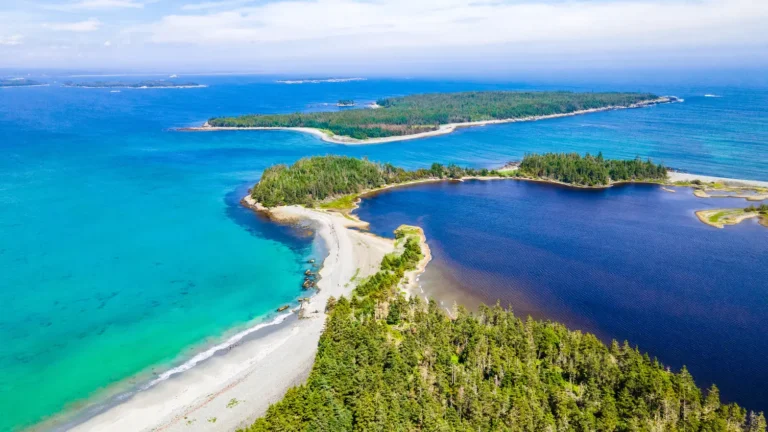
The Salt Marsh Trail is a flat, crushed-gravel trail running through a tidal salt marsh in Cole Harbour, roughly 20–25 minutes east of downtown Halifax by car. Open water on both sides, herons doing their thing, and a sky that goes on longer than expected — it’s a different Halifax from the waterfront or the forest trails.
Is it worth it? Yes. But know what you’re signing up for.
The trail is flat, which helps — but flat doesn’t always mean effortless. Wind, sun exposure, wet surfaces, and distance still matter. Exposed marsh sections can feel very different from downtown Halifax, especially on a breezy day. Bring water, sun protection, and a layer even in summer.
The trail connects to other routes that extend toward Lawrencetown Beach, which turns a moderate ride into a longer commitment. That’s a full-day option for confident riders. For most visitors, the trail itself on its own is the right call.
Getting here from downtown Halifax usually means driving or sorting transport to the trailhead — this is less of a roll-out-of-your-hotel ride and more of a plan-ahead one. Worth it if you do.
Who should ride it: Anyone who wants a nature experience over a city one, can handle a longer flat ride, and has the logistics sorted. Not ideal as a spontaneous walk-up ride from central Halifax.
Harder Coastal Road Rides
Sambro Loop
The Sambro Loop takes you south through the peninsula toward Crystal Crescent Beach — clear water, real coastal scenery, and the kind of drive that makes you understand why people move here. On a bike, it’s something else. On the right day.
This is for confident road cyclists, not casual rental-bike visitors. Roads narrow as you leave the city. Shoulders vary. Traffic is real, especially on summer weekends. Add Atlantic wind to the equation and you’re in seriously demanding territory.
If that’s your thing, go for it — and consider doing it on a quieter weekday morning rather than a Saturday in August. If you’re not comfortable riding on roads with traffic and unpredictable conditions, this is an easy one to skip. There’s no shame in that. The waterfront and trails are excellent rides.
Peggy’s Cove by Bike
Let’s be clear about this one: Peggy’s Cove by bike is not the normal tourist way to visit Peggy’s Cove. It’s a long road ride — roughly 100km depending on your exact route — for experienced cyclists who are comfortable with road traffic, hills, and coastal wind for an extended stretch.
Most visitors should drive or join a tour instead. The lighthouse will be just as good.
If you’re an experienced road cyclist and you want the challenge, the route is real and the payoff is hard to argue with — fishing villages, open Atlantic coastline, the lighthouse as a destination earned rather than handed to you. But go in with accurate expectations: narrow shoulders in sections, real tourist traffic in summer around Peggy’s Cove itself, and weather that changes faster than the forecast suggests.
How to Rent a Bike in Halifax
For casual visitors, the easiest option is a waterfront rental shop — check what’s currently operating on or near the Halifax waterfront, confirm bike types, and ask about helmet and lock availability.
Before booking, confirm the rental shop is comfortable with your intended route and distance, and ask whether any routes are outside their rental rules. Some waterfront rentals are set up for short city rides; others are fine with half-day trail rides. Ask directly. Also ask about repair kit basics for longer routes — a flat tyre 15km out on the BLT Trail is a long walk back.
A few things worth knowing:
- E-bikes can make hills and wind much more manageable, especially on coastal road routes.
- Ask whether the rental includes a helmet, or bring your own — helmets are required in Nova Scotia, so assume you need one.
- For longer trail rides, confirm whether the rental allows the distance and route you’re planning.
- Rental availability, bike types, and booking rules change by season. Check directly before planning your day.
If you’re staying in Halifax and want to choose accommodation with cycling in mind, the where to stay in Halifax guide has neighbourhood breakdowns that’ll help.
Best Time of Year to Cycle in Halifax
May through October is the practical window. July and August are warmest, but also the busiest — the Peggy’s Cove route in particular gets heavy tourist traffic on summer weekends, and the waterfront is at its most crowded.
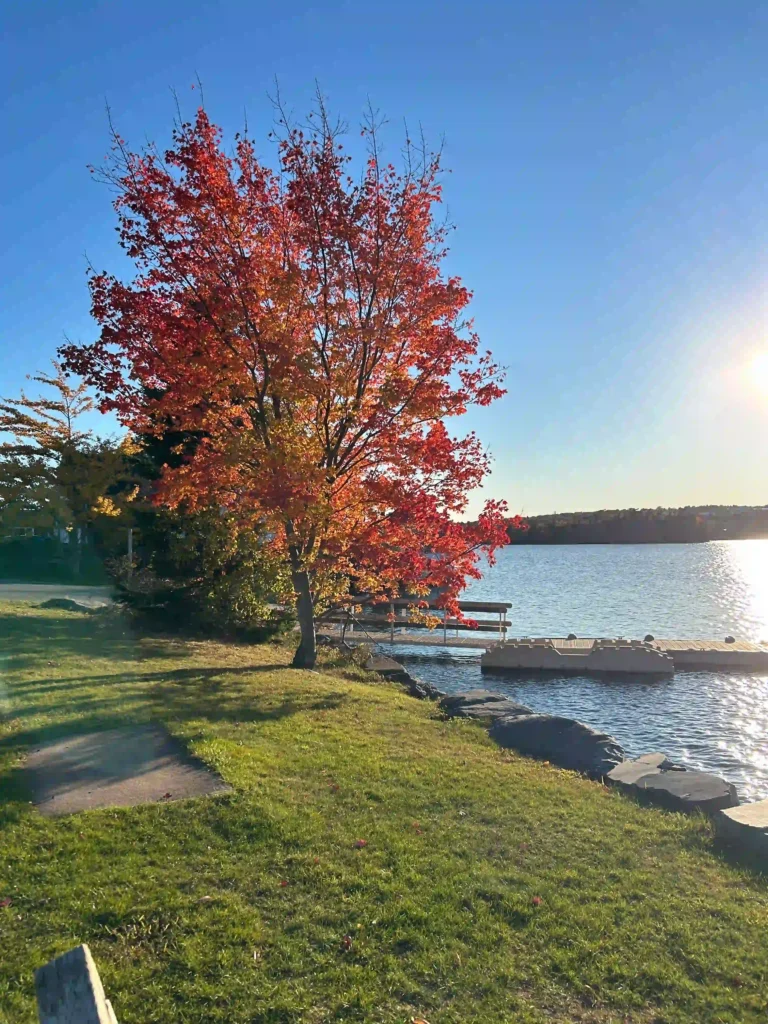
September and early October are excellent. The rail trails pick up fall colour, the crowds thin noticeably, and the weather stays reasonable for riding. If you can time a Cabot Trail or Nova Scotia trip for early September, it’s the sweet spot for cycling too.
Spring — May and June — works, but wet weather can leave trail surfaces muddier than expected. Build in some flexibility.
Winter cycling in Halifax is possible, and some locals do it year-round. For most visitors, it’s not the plan. If it is yours, local cycling groups and HRM resources are a better guide to current route conditions than anything you’ll read here.
Safety and Practical Tips Before You Ride
Nothing dramatic, just the things that actually matter:
- Helmet — required in Nova Scotia. Make sure your rental includes one, or bring your own.
- Lights — if there’s any chance you’ll be riding near dusk, bring them.
- Lock — if you’re stopping anywhere for longer than a minute.
- Water and snacks — the BLT Trail has no services until the far end. The Salt Marsh Trail has no services once you’re out on the exposed causeway sections. Plan accordingly.
- Offline map — cell signal drops in places. Download your route before you leave.
- Check the wind — coastal routes can be brutal into a headwind. It’s worth knowing the forecast before committing to a long road ride.
- Layers — coastal weather in Nova Scotia changes fast, even in summer. A packable shell takes up almost no space.
- Tell someone your route — for longer solo rides, especially on the coastal roads. Not fearmongering, just practical.
- Avoid the coastal roads if traffic makes you uncomfortable — Sambro and Peggy’s Cove are real road rides. There’s no trail version of them. If that’s not your thing today, ride the trails.
For route comfort on unfamiliar streets, check current HRM cycling maps or local cycling resources before heading out — route conditions change with construction and seasons.
Heading out solo? The Halifax solo female travel safety guide has broader context on navigating the city independently that applies to cycling too.
Where to Stay If You Want to Bike in Halifax
Where you stay shapes which rides are actually convenient.
Downtown and the waterfront put you walking distance from casual rental options and make the waterfront boardwalk and Dartmouth ferry loop easy to do without a car. For most visitors, this is the right call.
The West End and areas near Bayers Lake are more practical for Chain of Lakes and BLT Trail access if you have your own bike or a car — but less useful if you’re relying on waterfront rentals and public transport.
Dartmouth can work well for the harbourfront and Lake Banook rides, especially if you’re happy using the ferry as part of the loop. It’s worth factoring in if you’re spending multiple days and want to explore both sides of the harbour.
For most visitors, choose accommodation based on the overall trip first. Cycling logistics can usually be sorted from wherever you’re based.
The where to stay in Halifax guide covers neighbourhoods by budget and feel — useful if you haven’t locked in accommodation yet.
If you’re building out a fuller Halifax trip, the 3-day Halifax itinerary is a good place to see how cycling fits alongside everything else.
The Short Version
Halifax doesn’t shout about its cycling scene. But once you’re on the Chain of Lakes with the forest quiet around you, or crossing one of the Salt Marsh causeways with water on both sides, you’ll understand why locals keep coming back to these trails.
Start easy. See how far you get. The Bike & Bean in Upper Tantallon can be a useful turnaround excuse if that distance fits your day.
If you’re more of a runner than a cyclist, the running routes in Halifax covers the same city from a different pace entirely.
Have you ridden any of these routes? Drop your favourites in the comments — I’m always looking for the next one.