Ceilidh Culture in Cape Breton: Where Music Still Feels Alive
Affiliate note: This article may contain affiliate links, which means I may earn a small commission if you book or buy through them – at no extra cost to you. I only recommend things that make sense for this kind of trip.
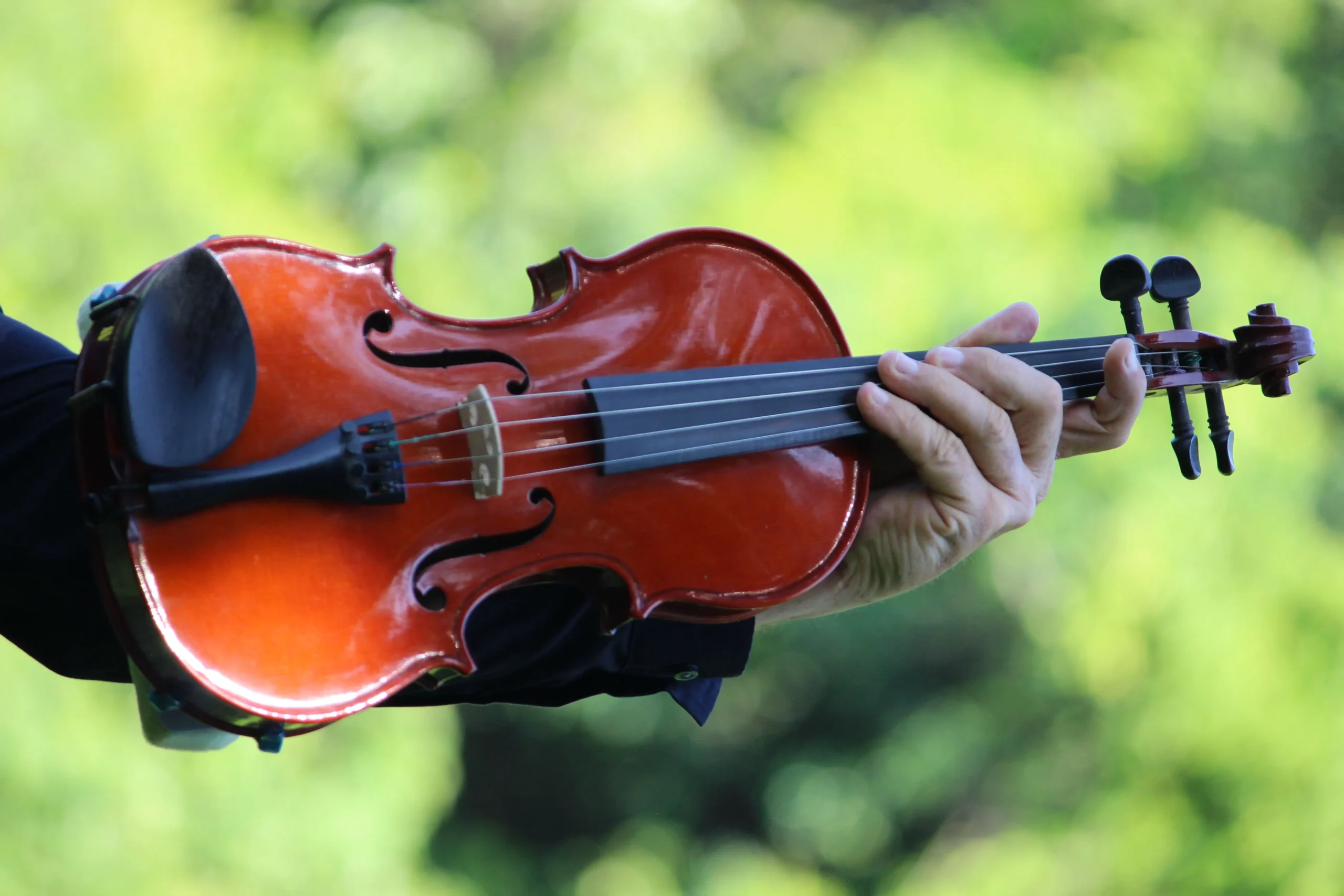
Photo by Ornán Rodríguez Velázquez on Pexels
Most Cape Breton trips get planned around roads and views. Cabot Trail lookouts, the Skyline Trail, a whale-watching boat out of Pleasant Bay, another scenic pullout that looked “quick” until everyone got out of the car and stood there for twenty minutes. It’s a beautiful way to spend a week. It’s also a way to leave the island having barely heard it.
Ceilidh culture is the part that doesn’t show up in a windshield tour. You don’t need to know a reel from a jig, and you definitely don’t need to dance. You just need to show up, sit down, and pay attention for a couple of hours. That’s most of the job.
This isn’t a list of “best places to hear music in Cape Breton.” It’s an explanation of what you’re actually walking into, why it matters more than another scenic stop, and how to be in the room without making it about you.
Quick Answer: Should You Go to a Ceilidh in Cape Breton?
If you want to feel like you’ve spent time on the island rather than just driven across it, yes. A ceilidh gives Cape Breton a pulse that scenery alone can’t.
If your evening is already packed, or live music just isn’t your thing, skip it without guilt. Nobody’s trip is ruined by missing one.
| Go If You Want | Not Ideal If You Want | Time to Give It |
|---|---|---|
| Live music, local culture, a slower evening, Cape Breton beyond the scenery | A polished stage show, nightlife, or a quick checklist stop | One evening |
What Is a Ceilidh?
A ceilidh (pronounced roughly “KAY-lee”) is Gaelic for a social gathering — traditionally something closer to a visit than a performance. In Cape Breton, that can mean a scheduled evening with a fiddler, a pianist, and maybe some step dancing at a community hall or pub. It can also mean something looser: locals will tell you that if you sit down for a cup of tea with someone, that’s technically a ceilidh too.
For a visitor, the useful version is the first one — an evening built around fiddle music, often piano accompaniment, sometimes Gaelic song or storytelling, with dancing as an option rather than a requirement. The tradition runs deep here. Cape Breton fiddling is strongly rooted in Scottish Gaelic tradition, while Acadian communities on the island carry their own music and cultural history alongside it.
You do not need to know the difference between a reel and a jig to enjoy yourself. Nobody is checking your fiddle credentials at the door.
Why Music Matters So Much in Cape Breton
Cape Breton isn’t just scenic — it is one of the places where a folk music tradition still feels lived in, rather than preserved behind glass. The fiddle carries the weight of that tradition, but it’s rarely alone: piano accompaniment, step dance, and Gaelic song all move together, often in the same room, sometimes in the same song.
That matters because the music is tied to family, language, and place in a way that’s easy to miss if you only catch it as background noise on a patio. A tune played at a hall in Judique or Mabou might be one a fiddler learned from a parent who learned it from theirs. That’s not branding. That’s just how it’s been passed along.
It’s also worth remembering that Cape Breton has more than one story running through it at once. The island is also Unama’ki, Mi’kmaw land that predates every other tradition mentioned here, and Acadian communities around Chéticamp and Isle Madame carry their own distinct music and history. Gaelic and Scottish traditions are the loudest thread in most ceilidh culture, but they’re one thread in a layered place, not the whole fabric.
Is a Ceilidh Touristy?
Depends which one, and depends what you mean by touristy.
Some ceilidhs are explicitly built to welcome visitors — advertised, ticketed, running nightly through the summer season. That doesn’t automatically make them fake. A community hosting an event that visitors can attend is not the same as a community performing a version of itself for visitors’ benefit.
There’s a real difference, though, between a staged tourist show, a community music night that happens to welcome outsiders, a formal concert, and a festival performance. The better question isn’t “is it touristy?” It’s “is this still connected to the community it comes from?” A ceilidh where local musicians are playing tunes they’d play anyway, in a hall that’s used for other things the rest of the year, tends to answer that question on its own.
Tourists aren’t the problem. Acting like the evening was built entirely for you is the problem.
What to Expect at a Cape Breton Ceilidh
The shape of a ceilidh varies by venue and by night, but a few things are fairly consistent:
- Live fiddle music, usually with piano accompaniment, as the backbone of the evening
- Possible Gaelic song, step dance, storytelling, or a local host who introduces the performers
- Casual seating in a community hall or small venue — think folding chairs and long tables, not theatre rows
- A mixed crowd, often skewing older, with families welcome
- An earlier start time than you’d expect from city nightlife — some run in the early evening
- Food and drink availability that varies a lot by venue; some serve tea and baked goods, others nothing at all
- A mix of ticketed and informal, pay-what-you-can events, with schedules that shift by season
Don’t build your evening around exact prices or start times you found online without checking first. Seasons, venues, and performers change, and the honest answer is to confirm details close to your visit rather than trust anything printed months in advance — including this post.
Where Can Visitors Experience Ceilidh Culture?
Rather than a list of “best venues” that’ll be half-wrong by next season, it’s more useful to know where to look.
Community halls and cultural centres across the island host ceilidhs through the warmer months, particularly along the aptly-named Ceilidh Trail on the island’s west coast, which runs from the Canso Causeway up to Margaree Harbour. Towns like Judique, Mabou, and Inverness sit right along it, and live music is part of the regular rhythm of the area rather than a special event laid on for visitors.
Baddeck has one of the better-known visitor-friendly options, listed by Destination Cape Breton as Baddeck Gathering Ceilidhs, typically running through the visitor season with local musicians. Pubs and small venues in towns like Chéticamp also host informal music nights, especially in peak season. Cultural centres such as Highland Village / Baile nan Gàidheal can also add context through Gaelic history, interpretation, and cultural programming.
Where to Look for Current Ceilidh Listings
Your best bet for what’s actually happening during your visit:
- Destination Cape Breton’s event listings, which get updated seasonally
- Local community Facebook pages and venue websites — a lot of Cape Breton ceilidhs are still promoted this way rather than through big booking platforms
- Visitor information centres, especially the one near the Canso Causeway as you cross onto the island
- The Celtic Colours schedule if you’re visiting in October, since festival season adds dozens of additional events across the island
Ask around too. Someone at your accommodation, a server at dinner, or the person running the general store will usually know if there’s a ceilidh on that night, and that tip is often more current than anything online.
How to Behave at a Ceilidh Without Being Weird
This is the section that actually matters more than knowing what a reel is.
- Arrive on time. Ceilidhs don’t run on tourist-attraction flex time.
- Listen properly during quiet songs. That means not talking over the Gaelic verse because you’re waiting for the fiddle to come back in.
- Ask before filming, especially if you’re pointing a phone at someone’s face rather than the stage in general.
- Buy a ticket or leave a donation if that’s the expectation. This is somebody’s livelihood, not a free show that happens to have musicians in it.
- Clap, and join in if invited, but don’t force yourself into the centre of the room because you want a story for later.
- If there’s dancing, watch the room before you join. Someone will show you the steps if you ask.
- Remember plenty of people there are locals having a normal night out, not performing “authentic Cape Breton culture” for your benefit.
The worst thing you can bring to a ceilidh is not ignorance. It’s main-character energy.
Do You Need to Dance?
No. Some ceilidhs include dancing — square sets, step dance, the occasional pulled-in visitor who didn’t see it coming — but plenty of people spend the whole evening sitting, listening, and clapping along, and that’s a completely normal way to enjoy it.
If you’re invited to join and you’re up for it, go ahead. If you’d rather stay in your seat, nobody needs your heroic interpretation of the steps. Watching is not a lesser way to be there.
Is a Ceilidh Good for Families?
Generally, yes, depending on the event and the timing. Ceilidhs tend to run earlier than city nightlife, the atmosphere is casual rather than formal, and kids often respond well to live fiddle music and step dance in a way they wouldn’t to a seated concert.
A few practical things worth checking before you commit a whole evening: how long the event runs, how loud the venue gets once things pick up, and whether the seating suits a tired seven-year-old. Have a plan for slipping out early if you need to — nobody will notice, and nobody will mind.
How to Fit a Ceilidh into a Cape Breton Itinerary
If You Have 3 Nights
Treat a ceilidh as optional. Get your main route sorted first — if you’re already working from a Cape Breton itinerary, a ceilidh only fits if you’re staying somewhere with an event happening nearby without adding a detour.
If You Have 5 Nights
This is the sweet spot. Build in one ceilidh or live-music evening after a slower day rather than after your longest driving day. Arriving exhausted and expecting to enjoy live music is asking a lot of yourself.
If You Have 7+ Nights
Build a cultural evening into the plan on purpose rather than hoping one turns up. Pair it with a slower day around Bras d’Or Lake, choose a Cape Breton base that keeps you close to a few evening options, or a non-hiking day so you’re not choosing between a ceilidh and recovering from the Skyline Trail.
Ceilidh Culture vs. Celtic Colours
A ceilidh is a type of gathering. Celtic Colours is a festival — a big one. Every October, Celtic Colours International Festival runs for nine days across dozens of communities on the island, pulling in touring Celtic musicians alongside Cape Breton’s own performers for what’s grown into one of Canada’s best-known music events since it started in 1997.
A regular ceilidh, outside festival season, is smaller and more local by nature — a Tuesday night in a community hall, not an international lineup. Celtic Colours is scheduled, ticketed for most concerts, and draws visitors specifically for the event itself. Both are worth experiencing, but they’re not interchangeable, and if you’re planning around Celtic Colours specifically, that’s really a separate trip to plan for — worth its own research closer to October.
Is Ceilidh Culture Worth Adding to Your Cape Breton Trip?
Yes, if you want the island to feel like more than a drive between viewpoints. No, if your schedule’s already packed tight or you’re only there for the outdoors.
A ceilidh isn’t a box to tick alongside the Cabot Trail and a lighthouse photo. It’s a way to let the trip breathe, and to let Cape Breton feel like a place people actually live in — because it is.
Frequently Asked Questions
What is a ceilidh in Cape Breton?
A ceilidh is a Gaelic word for a social gathering, and in Cape Breton it usually refers to an evening of live fiddle music, often with piano accompaniment, step dance, and sometimes Gaelic song or storytelling. It can happen in a community hall, a pub, or a cultural centre, and ranges from casual community nights to scheduled, visitor-friendly events.
How do you pronounce ceilidh?
Roughly “KAY-lee.” It’s one of those words that looks harder to say than it actually is.
Do you have to dance at a ceilidh?
No. Dancing is often part of the evening, but plenty of attendees simply sit, listen, and clap along. If you’re invited to join in and you’re comfortable, go for it — if not, sitting it out is completely normal.
Is a Cape Breton ceilidh touristy?
It depends on the event. Some are explicitly set up to welcome visitors and that doesn’t make them fake — visitor-friendly and disconnected from the community are two different things. The better question is whether local musicians and the local community are actually part of the evening, not just whether tourists are in the room.
Where can I find ceilidhs in Cape Breton?
Community halls along the Ceilidh Trail (Judique, Mabou, Inverness), Baddeck’s summer ceilidh series, and pubs in towns like Chéticamp are good starting points. Check Destination Cape Breton’s event listings, local venue Facebook pages, and visitor information centres for what’s actually happening during your visit, since schedules shift by season.
Is a ceilidh good for kids?
Usually, yes. Ceilidhs tend to run earlier than typical nightlife and have a casual, welcoming atmosphere that suits families. Check the specific event’s length and volume level, and have an easy way to leave early if your kids are tired.
What is the difference between a ceilidh and Celtic Colours?
A ceilidh is a regular, often small-scale gathering that happens throughout the year. Celtic Colours is a major nine-day international festival held every October across dozens of Cape Breton communities, drawing performers and visitors from well beyond the island. Both are worth experiencing, but they’re different in scale and timing.
Should I add a ceilidh to my Cape Breton itinerary?
If you have five or more nights, yes — it’s one of the better ways to experience the island beyond scenery, especially slotted in after a slower day rather than your longest drive. On a tighter three-night trip, treat it as a bonus rather than a priority.
The Short Version
Cape Breton isn’t only cliffs, roads, and seafood. Ceilidh culture is one of the clearest ways to feel the island has a pulse beyond the scenery, and you don’t need to be a music expert or a dancer to take part in it.
Show up on time, listen properly, and check current schedules rather than trusting anything printed months ahead — including this. If you’ve got five nights or more, build one live-music evening into the plan, ideally after a slower day rather than your most exhausting one.
Have you been to a ceilidh or live music night in Cape Breton? I’d love to hear where you went — drop it in the comments.