Cape Breton Itinerary: 7 Days on the Cabot Trail and Beyond
Affiliate note: This article may contain affiliate links, which means I may earn a small commission if you book or buy through them – at no extra cost to you. I only recommend things that make sense for this kind of trip.
Last checked: November 21, 2026
You can technically drive the Cabot Trail in a day. You can also technically eat dinner standing over the sink. Neither is the version I’d recommend.
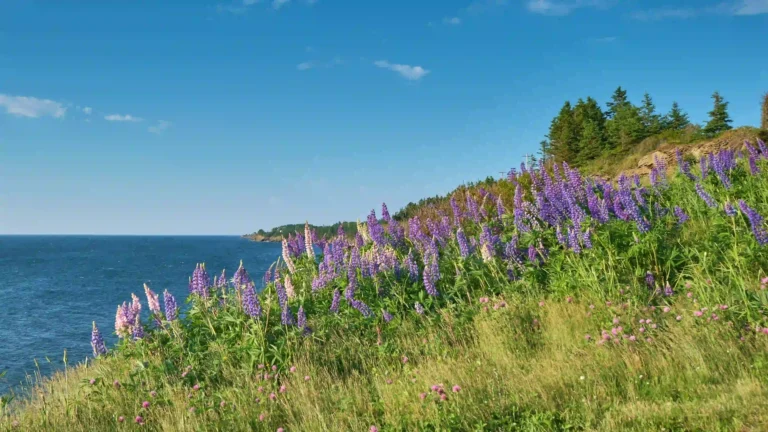
Cape Breton sits at the northeastern tip of Nova Scotia — an island with sea cliffs that drop into the Gulf of St. Lawrence, a mountain road that loops through cloud, and a layered culture that goes much deeper than the postcard. Cape Breton is Unama’ki, part of Mi’kma’ki, and the island’s culture reflects that: Mi’kmaq history and presence, Gaelic and Scottish traditions brought by 18th and 19th century settlers, Acadian communities along the west coast, and a live music tradition that still belongs in community halls as much as on a stage.
The problem most visitors run into is packing too much into too little time. This 7-day Cape Breton itinerary is built to avoid that — six nights on the island, a logical route around the Cabot Trail and beyond, and enough breathing room to actually be somewhere instead of just passing through it.
For context on how Cape Breton fits into a longer trip, the Nova Scotia itinerary covers the broader picture.
Quick Answer: How Many Days Do You Need in Cape Breton?
| Days | What You Can Do |
|---|---|
| 3 days | Baddeck, Skyline Trail, one night on the coast — rushed but possible |
| 5 days | A proper Cabot Trail loop with time to breathe |
| 7 days | Full circuit: Cabot Trail, Louisbourg, Bras d’Or Lake, live music |
| 10+ days | Add Celtic Colours, slower hiking, kayaking, deeper community time |
Seven days is the sweet spot for a first visit. You’re not sprinting between viewpoints, and you’re not so deep into it that you’ve run out of things to do.
Before You Go: How to Get to Cape Breton
Halifax or Sydney — Which Airport?
Halifax (YHZ) has more international connections and domestic routes. The trade-off is a 3.5–4 hour drive north to Baddeck, which is the standard starting point. It’s a smooth drive on well-maintained roads.
Sydney (YQY) is roughly an hour from Baddeck and convenient if you’re connecting domestically through Toronto or Montreal. Check both options when you’re booking — fares and availability vary by season and routing.
If you’re flying into Halifax, plan to return there too and allow a proper buffer before an international departure.
Do You Need to Rent a Car?
If you’re arriving independently, a car is the practical answer. The Cabot Trail is a road trip, trailheads are in national park wilderness, and towns are spread out enough that reaching them without a car involves serious compromises on time and flexibility. For more on whether to rent a car in Nova Scotia and what to plan for, that guide covers the main decisions.
Rental costs, availability and policies vary by season and lead time — book as early as possible in summer. If you’re part of an organized tour or arriving with your own vehicle, the logistics are different.
Suggested 7-Day Cape Breton Itinerary Overview
| Day | Base | Main Focus | Sleep |
|---|---|---|---|
| 1 | Baddeck | Arrival, Bras d’Or Lake, evening ceilidh | Baddeck |
| 2 | Chéticamp | Skyline Trail | Chéticamp |
| 3 | Northern Cabot Trail | Pleasant Bay whale watching, north loop drive | Ingonish |
| 4 | Ingonish | East coast outdoor day | Ingonish |
| 5 | Baddeck / Bras d’Or | Lake time or Highland Village, Iona | Baddeck |
| 6 | Louisbourg / Sydney | Fortress of Louisbourg | Sydney or Louisbourg |
| 7 | Departure | Sydney waterfront if time allows | — |
This is a multi-base trip. You’ll check in and out of four towns — Baddeck twice, Chéticamp, Ingonish and Sydney — which means five check-ins total. That’s not a reason to avoid this route; it’s a reason to pack light and plan your checkout times. Each base puts you close to the next day’s main draw.
Day 1 — Arrive in Baddeck, Slow Down
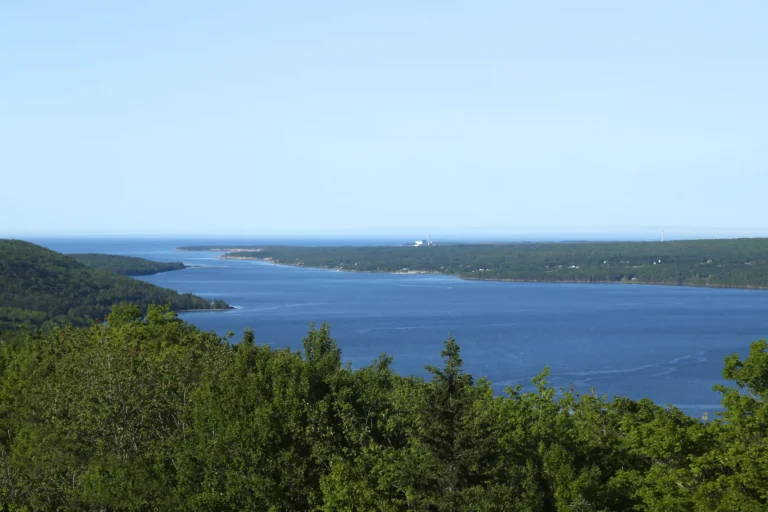
Baddeck sits on the shore of the Bras d’Or Lake — a vast inland saltwater lake that cuts through the middle of the island. It’s a soft landing: small, unhurried, easy to settle into after a travel day.
If you arrive with time to spare, the Alexander Graham Bell National Historic Site is worth 90 minutes. Bell spent his summers here and the archives go well beyond “he invented the telephone” territory. Confirm current hours before building your day around it.
That evening, look for a ceilidh (pronounced “kay-lee”). A ceilidh is a community music event — fiddle, step dancing, and a room that tends to draw you in whether or not you planned on participating. The Baddeck Gathering Ceilidh is the most accessible option in summer; check the organiser’s current schedule for dates and admission before you go. Read more about ceilidh culture in Cape Breton — it’ll make the evening make more sense.
For accommodation on this night, see the Baddeck section below.
Day 2 — Chéticamp and the Skyline Trail
Drive north from Baddeck into Cape Breton Highlands National Park. The road west into Chéticamp runs through Acadian country — the town itself sits on the Gulf coast and has a distinct French-Acadian character different from anywhere else on the island.
The Skyline Trail is the main draw. Parks Canada rates it easy in terms of terrain, though it involves significant exposure, boardwalk stairs, wildlife zones (moose sightings are common), and no dogs are permitted. Stay on the boardwalk at the viewpoint. The trail offers a 6.5 km return route or an 8.2 km loop — plan for 2–3 hours depending on your pace. The full Skyline Trail guide covers what to expect on the boardwalk, wildlife awareness and practical prep in detail.
A few things worth knowing before you go:
- Parking reservations and park admission are separate. For 2026, parking reservations are required June 26–October 25. If you’re visiting in that window, your arrival time is determined by your booked slot — organise lunch and your drive schedule around that, not the other way around. Check the official Parks Canada page for current rules; the reservation schedule is confirmed for 2026 and may change.
- Sunset from the boardwalk is spectacular if conditions allow. Bring a headlamp and ensure you’re complying with your booked parking period — the trail isn’t lit and conditions vary.
Sleep Chéticamp.
Day 3 — Pleasant Bay and the Northern Cabot Trail to Ingonish
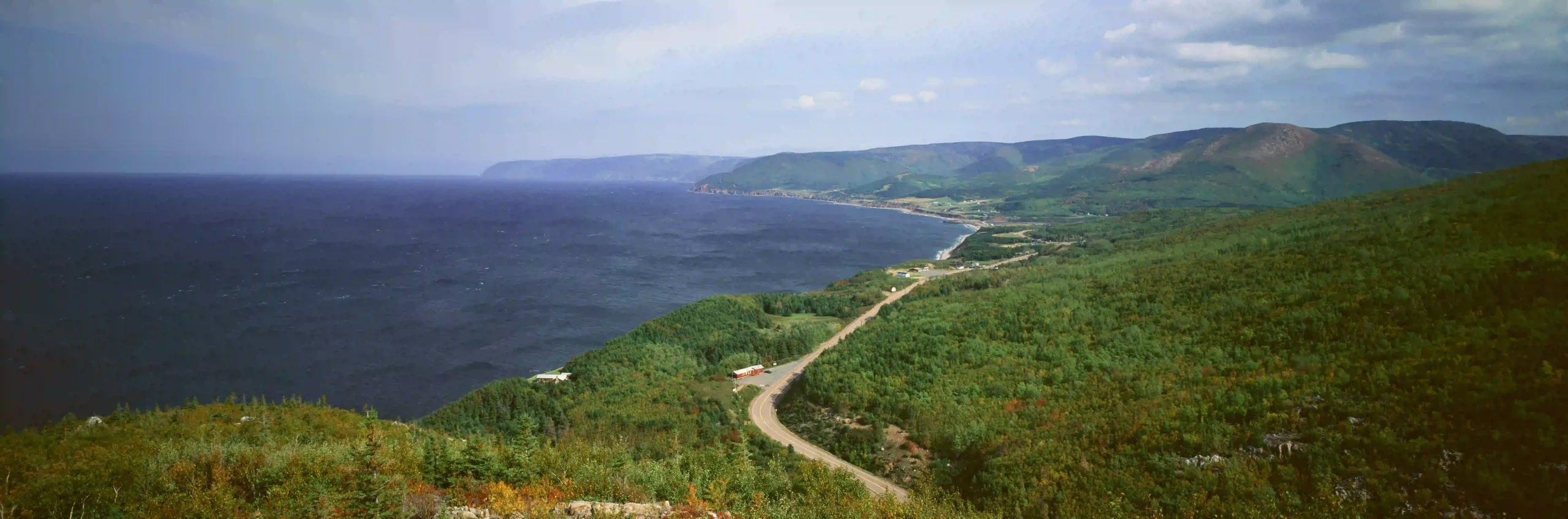
Today is about the drive as much as the destination. The stretch between Chéticamp and Pleasant Bay is the most dramatic section of the Cabot Trail — the road wrapping around headlands above the Gulf with the highland plateau behind it.
Pleasant Bay is a small harbour village on the northern coast with whale watching boats going into the Gulf. Tours run seasonally — check with operators on current schedules, trip length, age guidelines and what’s being sighted. No trip guarantees specific species or sightings. The whale watching in Pleasant Bay guide covers what to expect and how to book.
From Pleasant Bay, the northern Cabot Trail continues east and south toward Ingonish through some of the island’s highest terrain. It’s a full driving day once you factor in the whale tour and stopping for views — don’t rush it.
Meat Cove, at the island’s northern tip, is a worthwhile side trip if conditions and timing allow. It’s a gravel track to a clifftop above the sea — real remoteness, good views. It’s not an automatic add-on to this day. If the whale tour runs long or the road is in poor shape, skip it.
Sleep Ingonish.
Day 4 — Ingonish and the East Coast
The eastern side of the Cabot Trail is calmer than the west — more forested, more sheltered from the Gulf. After two days of dramatic coastal driving, the change of pace is welcome.
Middle Head Trail is the main draw: a coastal peninsula walk with short climbs and rocky sections, putting ocean on both sides of you for most of the route. It’s well worth the time — shorter overall than the Skyline but with its own character. Check the Parks Canada Middle Head page for current conditions and access details before you go.
Beyond Middle Head, Day 4 is a choose-your-own-pace day:
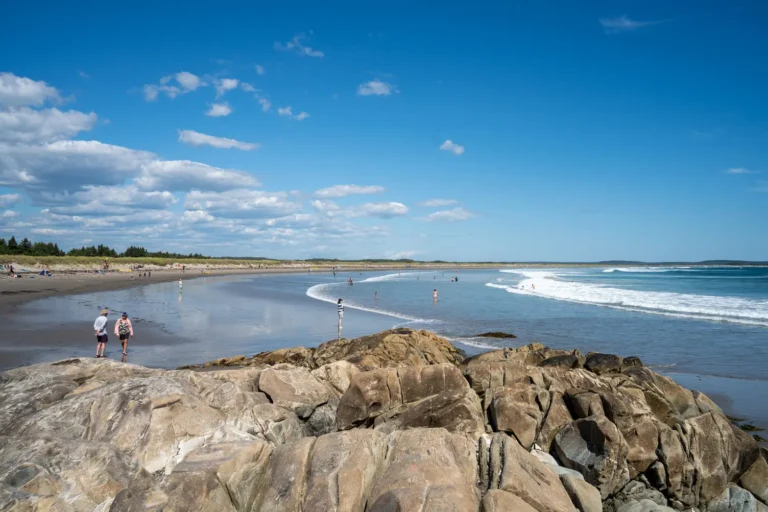
- Ingonish Beach is a sandy beach inside the national park. Worth a visit — swimming depends on current conditions and any posted guidance at the site.
- Cape Smokey has a gondola with views from the top. Check current ticket prices and seasonal operations at capesmokey.ca before building your day around it.
Don’t feel obligated to stack all three. The island is better when you stop treating every viewpoint as a task.
Sleep Ingonish.
Day 5 — Bras d’Or Lake and the Return to Baddeck
Day 5 involves relocating back toward Baddeck. The drive from Ingonish takes a meaningful chunk of the day — factor that in when you’re planning your afternoon, and don’t try to do everything below in one go.
What to do with the afternoon:
Option A — Bras d’Or Lake: The lake is a UNESCO Biosphere Reserve and feels nothing like the wild coast you’ve been driving for three days. The Bras d’Or Lake kayaking and sailing guide covers water activity options. Conditions on the lake vary — arrange any water activities with a local operator suited to your group.
Option B — Highland Village / Baile nan Gàidheal in Iona: An open-air living history museum on a hillside above the lake, tracing the Scottish Gaelic migration to Cape Breton through reconstructed buildings across different eras. Worth two hours minimum. Note that Iona is a separate outing beyond simply arriving in Baddeck — it adds time and distance; plan the afternoon accordingly. Confirm current seasonal hours before you go.
Pick one and do it properly.
Sleep Baddeck. Find live music wherever you are that evening.
Day 6 — Fortress of Louisbourg
A full day. Don’t treat this as a quick stop.
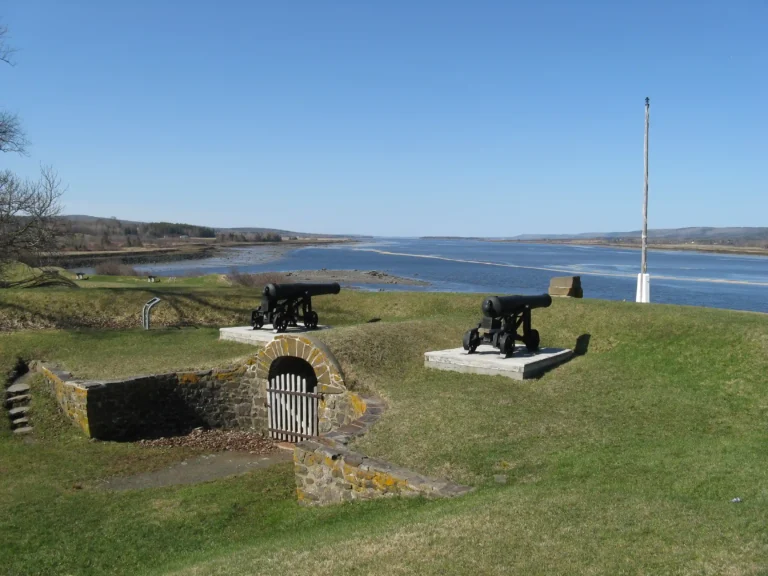
The Fortress of Louisbourg is a large-scale historical reconstruction of an 18th-century French fortified town, with interpreters in period dress and reconstructed buildings you can walk through. Plan at least four hours — it regularly takes more. The full Fortress of Louisbourg guide covers what to see, the layout and what’s worth your time inside.
Seasonal hours and access dates change year to year. Confirm current hours on the Parks Canada listing before you go.
Sleep Sydney, or in Louisbourg if you find accommodation that works for the night. Sydney is a practical choice if you’re flying from YQY; if you’re driving back to Halifax, compare the onward route from your chosen accommodation.
Day 7 — Sydney and Departure
Sydney is Cape Breton’s main city, with the services, waterfront and practical logistics that come with it. Walk the Esplanade waterfront. If your departure time allows, leave room for a short downtown wander too.
Then either drive south to Halifax for a mainland departure or catch your flight from Sydney (YQY). Allow proper buffers either way — Cape Breton driving has a tendency to take longer than expected, and international departures from Halifax need a real runway of time.
Best Time to Visit Cape Breton
Late June to early September is the main season — full park access, whale watching boats operating and most accommodation and restaurants open. Parks Canada admission and parking reservation requirements change yearly; check the official Parks Canada site for current fees and any exemption windows.
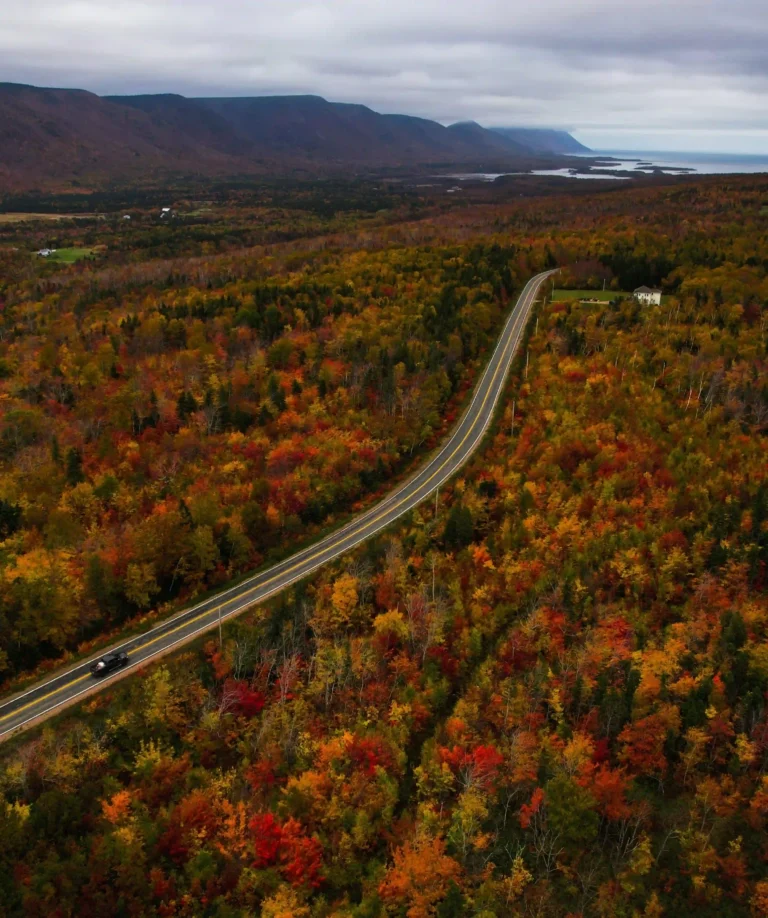
Late September to early October suits travellers who want fewer people and fall colour. The Nova Scotia fall road-trip guide covers how Cape Breton fits into autumn planning. Some seasonal restaurants and accommodation options close by mid-October, and operating schedules shift — check each stop individually rather than assuming summer hours apply.
Celtic Colours International Festival is a nine-day event running each October, with concerts and community events held in venues across the island — community halls, churches, small stages. It’s the best concentrated exposure to Cape Breton music in context. Festival demand can be high and accommodation books early during that period. Check current dates and details at the Celtic Colours guide before planning around it.
Winter is a different trip. Most of what this 7-day plan is built around is seasonal, and the off-season requires a different approach. Cape Breton in winter covers what that looks like.
Where to Stay in Cape Breton for This Itinerary
The Where to Stay in Cape Breton guide covers the full accommodation picture. Here’s how the bases break down for this specific route:
Baddeck is the natural anchor for the first and fifth nights — central, easy to reach from Halifax, and home to the main ceilidh venue. Whether your accommodation is walking distance from the ceilidh depends on the specific property; check the location before you book.
I stayed at Inverary Resort during a week of music events on the island. I liked the location and the views, and found it a comfortable, convenient base. Check Inverary Resort on Expedia and read current reviews before booking.
For other options in and around Baddeck: Compare stays on Expedia. Results may include properties outside the town centre — check the address against the map.
Chéticamp puts you at the edge of the national park for the Skyline Trail day. Accommodation is limited — book early in peak season. Compare stays in Chéticamp on Expedia.
Ingonish has a mix of options for the two nights supporting the northern-loop arrival and east coast day. Compare stays in Ingonish on Expedia. Ingonish Beach, Ingonish Centre and Ingonish Harbour are distinct — check the address, as it affects how you approach the trails.
Sydney is the practical base for the Louisbourg and departure leg of the trip — city services, the Esplanade waterfront and good access to the highway south. Compare stays in Sydney on Expedia.
For mainland nights before or after the island, the Where to Stay in Halifax guide covers neighbourhood and base options.
What Does a Cape Breton Trip Cost?
Costs vary significantly by season, how far ahead you book, and what kind of trip you’re running. Here are the main categories to budget for:
- Car rental: Get a quote early — rates move by season and availability. Book as soon as your dates are confirmed.
- Accommodation: Ranges widely across the island from budget roadside motels to heritage inns. Chéticamp has limited inventory; Baddeck and Ingonish fill up in peak season. Plan ahead.
- Parks Canada fees: Park admission is required for Skyline Trail access and most national park facilities. Parking reservations carry a separate charge during the reservation period. Check the Parks Canada website for current fees and any exemption periods.
- Meals: Budget for a mix of sit-down meals and casual stops. Costs will depend on where you eat and how often.
- Tours and activities: Whale watching, gondola, paid cultural events. Budget for what you’ve planned; check current prices with operators.
- Fuel: The Cabot Trail is 298km and you’ll cover additional distance getting to and from Halifax. Run the numbers on your rental vehicle’s consumption and the route distance before you go.
- Ceilidhs and cultural events: Typically low admission. Check the organiser’s current pricing.
Common Mistakes to Avoid on a Cape Breton Trip
Driving the Cabot Trail in one day. People do this. The road is 298km of coastal mountain terrain with everything to see and not enough time to see any of it properly.
Underestimating distances. Cape Breton looks manageable on a map until the road starts wrapping itself around cliffs for dramatic effect. Forty kilometres can take an hour. Build in time.
Treating every viewpoint as a quick stop. The Skyline Trail isn’t a 15-minute detour. Louisbourg isn’t something you can “pop into.” If the schedule requires rushing, something needs to come off the list.
Skipping the music. The ceilidhs and community sessions are what a lot of people talk about for years after the trip. Don’t leave it out because it feels like an optional add-on.
Booking accommodation late. Chéticamp especially has limited options. Peak season in Baddeck and Ingonish fills up. The island isn’t flush with accommodation choices.
Assuming October logistics match July. Some restaurants, whale watching operators and accommodation options don’t run past mid-October. Confirm everything individually before building a late-season itinerary around it.
Ignoring the weather. The highlands can be socked in with fog and rain for days at a time. Have a backup plan for the Skyline Trail — the boardwalk in cloud is a different experience.
FAQ
How Many Days Do You Need in Cape Breton?
Seven days works well for a first visit that takes the full circuit seriously. Five days is workable if you focus the route. Three days gives you highlights but limited depth. If Celtic Colours or specific hiking goals are part of the plan, ten days gives you room to actually stay somewhere rather than just pass through.
Can You Drive the Cabot Trail in One Day?
Technically yes. You’ll cover 298km of coastal mountain road and arrive somewhere at the end of it. The Cabot Trail is designed to be driven over several days with stops — that’s what makes it worth doing.
Is Cape Breton Worth Visiting Without Hiking?
Yes. The Skyline Trail is the headline activity but it’s not the whole story. The music, the coastal drives, the Fortress of Louisbourg, the Bras d’Or Lake, and the food all hold up independently. Someone who doesn’t hike can still have a very full week.
Do You Need a Car in Cape Breton?
If you’re arriving independently, a car is the practical answer. There’s no meaningful visitor transit network, and most of what makes the island worth visiting is spread across a lot of road. Organized tours are a different situation.
Where Should You Stay for a Cape Breton Road Trip?
Baddeck is the natural anchor for the first and fifth nights — central and close to the main ceilidh venue. Chéticamp works for a western Highlands base. Ingonish covers the eastern side across two nights. Sydney is practical for the Louisbourg and departure leg. The Where to Stay in Cape Breton guide goes deeper on all of them.
When Is the Best Time to Visit Cape Breton?
Late June through early September for full seasonal access and the best weather odds. Late September and early October for fall colour and quieter roads — though operating seasons vary and Celtic Colours brings its own demand in October. Winter needs a different plan entirely.
Is Cape Breton Good for Families?
The driving-focused format works for families with older children, and there’s a mix of outdoor and cultural activities across the week. For specific activities — whale watching, trails with exposure, full-day sites like Louisbourg — check the operator or Parks Canada details for the relevant considerations before you go.
Can You Combine Cape Breton with a Nova Scotia Road Trip?
That’s the standard approach for most visitors flying into Halifax. The Nova Scotia itinerary covers how to structure the mainland portion before or after Cape Breton.
Should You Visit During Celtic Colours?
If music is your reason for going, yes. The festival runs for nine days each October across community venues on the island. Accommodation books early during festival period and demand can be high — plan well ahead. The Celtic Colours guide covers the full picture.
The Short Version
Seven days on Cape Breton. If you’re travelling independently, a car is how the route works. Don’t rush the Cabot Trail — it’s not a highway, and treating it like one is the most common way to miss the point.
Split your time between the Cabot Trail loop, the Bras d’Or Lake side of the island, and at least one evening of live music. Use Baddeck, Chéticamp, Ingonish and Sydney as your bases. Book accommodation early for summer travel.
Cape Breton takes about 24 hours to understand and several days to not want to leave. Give it those days.