Nova Scotia Itinerary: 7 Days, One Road Trip, Zero Regrets
Affiliate note: This article may contain affiliate links, which means I may earn a small commission if you book or buy through them – at no extra cost to you. I only recommend things that make sense for this kind of trip.
The boats are sitting on the harbour floor. It’s 9am. By late afternoon, the same harbour will be full of water again.
That’s Hall’s Harbour on the Bay of Fundy — and it’s the moment this province stops feeling like a pleasant Canadian road trip and starts feeling like something you couldn’t have made up.
Most international travellers fly into Halifax and assume they can wing the rest. And you can wing it, technically. But you’ll spend half your trip backtracking, miss the tides at the wrong hour, and wonder why everyone else seemed to time it perfectly.
This Nova Scotia itinerary takes the guesswork out of it. Seven days, a rental car, and a route that covers Halifax, the South Shore, Bay of Fundy, and Annapolis Valley — with rough planning costs and practical notes so you don’t build the trip around stale numbers.
This is a mainland Nova Scotia itinerary. Cape Breton is worth doing, but it needs extra days.
Quick Answer: 7-Day Nova Scotia Itinerary
For a first Nova Scotia road trip, spend two nights in Halifax, one night on the South Shore around Lunenburg or Mahone Bay, two nights around the Bay of Fundy or Digby and Annapolis area, and one final night back near Halifax. This gives you the waterfront, Peggy’s Cove, Lunenburg, Fundy tides, Annapolis Valley, and a slower return without trying to squeeze in Cape Breton.
| Day | Base / Area | Main Plan |
|---|---|---|
| Day 1 | Halifax | Waterfront, Citadel, ferry to Dartmouth or first dinner |
| Day 2 | Halifax / South Shore | Peggy’s Cove early, then continue toward Lunenburg |
| Day 3 | Lunenburg / Mahone Bay | Old town, waterfront, Mahone Bay, slower coastal stops |
| Day 4 | Kejimkujik or South Shore | Optional Keji detour or slower drive toward Fundy |
| Day 5 | Bay of Fundy / Digby area | Hall’s Harbour, tides, Digby scallops or whale watching |
| Day 6 | Annapolis Valley | Grand-Pré, Wolfville, Tidal Bay, Blomidon Look-off |
| Day 7 | Shubenacadie / Halifax | Tidal bore rafting if desired, then return to Halifax |
If this is your first visit and you only have seven days, do not add Cape Breton unless you are comfortable with a much faster trip. Cape Breton deserves its own three to four days.
Before You Go: Car, Timing, and Costs
Do You Actually Need a Car?
Yes!
International travellers often assume they can use Halifax as a hub and day-trip everywhere. In theory, sure. In practice, the distances don’t work that way. Cape Breton Island alone is four-plus hours from Halifax. Even the South Shore — Peggy’s Cove, Lunenburg, Mahone Bay — is a full day of driving without your own wheels.
Rent a car if you can. Rates vary heavily by season and availability, especially in July and August, so compare current prices before you build the budget around a cheap shoulder-season number. Book ahead regardless.
When Is the Best Time to Visit Nova Scotia?
June to August is peak season — the best weather, the broadest range of seasonal tours and attractions, and the busiest crowds. It’s when most international visitors come, and for good reason.
Late May and early September are the sweet spot. Warm enough, quieter, and accommodation prices tend to ease once school’s back in session.
Check tide times before locking your Fundy day. The Bay of Fundy is the part of the itinerary where timing actually matters — the tides follow a lunar schedule, not a tourist one.
What Does a 7-Day Nova Scotia Trip Cost?
These are rough 2026 planning ranges, not guaranteed live rates. Accommodation, car rental, tours, and restaurant prices move by season.
Budget (hostel or dorm where available, self-catering, free and low-cost activities): lower daily spend, but Nova Scotia doesn’t have a huge hostel network — solo travellers on tight budgets may find themselves paying closer to private room rates regardless.
Mid-range (private room or Airbnb, a few restaurant meals, paid attractions, car rental): the most common bracket for independent international travellers.
Comfortable (hotels, eating out most meals, guided tours and whale watching): costs add up quickly once tours and restaurants are in every day.
All figures are approximate and based on reported traveller spending. USD conversions shift with exchange rates, so use current rates at the time of booking rather than anything printed here.
Day 1 — Halifax Waterfront, Citadel, and First Night
Halifax is where the trip starts and ends. Give it a real first day rather than treating it as a layover city.
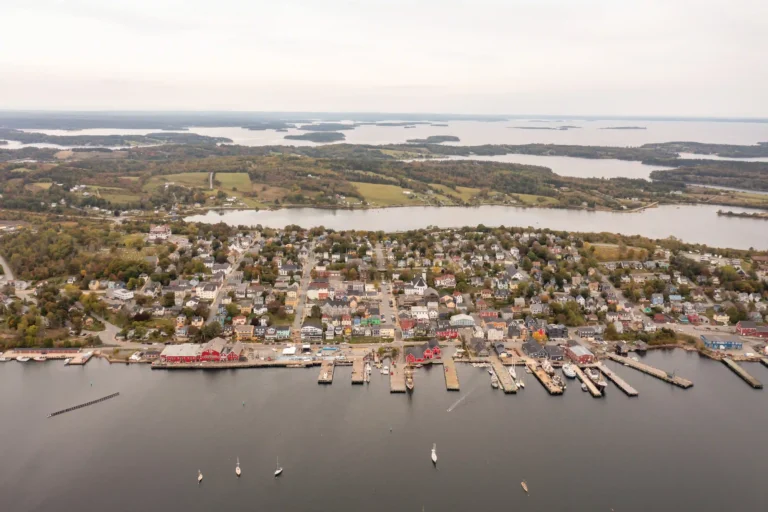
The 4km waterfront boardwalk is the obvious starting point. Walk it in either direction from the ferry terminal and you’ll pass the Maritime Museum of the Atlantic, plenty of places to grab coffee, and a harbour view that makes arriving by plane feel like you’ve been cheated out of something better.
One thing worth checking before you go: Halifax is a busy cruise ship port. On days when two ships are docked, the boardwalk gets very crowded. The Port of Halifax publishes ship arrival schedules online — if you can time your waterfront morning around that, you’ll have a noticeably better experience.
The Maritime Museum is worth a stop if you can give it 90 minutes to two hours. The Titanic collection alone earns it — Halifax was the city that received the bodies, and the exhibit is stranger and more affecting than you’d expect from a regional museum.
For a full list of what’s worth your time in the city, the best things to do in Halifax breaks it down without the filler. If you want Halifax planned as a standalone city trip, the 3-day Halifax itinerary is the right place to start.
Halifax Citadel — Worth the Admission?
It depends what you want from it. The star-shaped hilltop fort has been rebuilt and restored since 1749, and the noon gun firing is a satisfying piece of theatre. If you’re travelling with kids or you enjoy living history performances, it’s easy to spend two hours here.
Check current admission fees on the Parks Canada site before you go — rates and any free admission periods change by season.
If the fort isn’t your thing, the hill is free. The views over the harbour and downtown from the ramparts are worth the walk up regardless.
Take the Ferry to Dartmouth
If the waterfront is heaving — or you just want a different angle on the city — take the Alderney Ferry across the harbour to Dartmouth. The crossing takes about 12 minutes and costs a few dollars each way.
Dartmouth works well for coffee, casual food, and a quieter harbour view. Places like Anchored Coffee or Battery Park Beer Bar & Eatery can make the ferry ride feel like a real neighbourhood stop rather than just a harbour view.
Where to Stay in Halifax
Stay downtown or near the waterfront. There are cheaper options further out, but the walkability is the point — you’ll spend less on taxis and more time actually in the city. For a closer look at the options across different budgets, the where to stay in Halifax guide covers the neighbourhoods worth knowing.
Day 2 — Peggy’s Cove Early Start, Then South Shore
Leave Halifax early. This is not negotiable if you want Peggy’s Cove without a crowd.
Peggy’s Cove (and Why You Should Go Early)
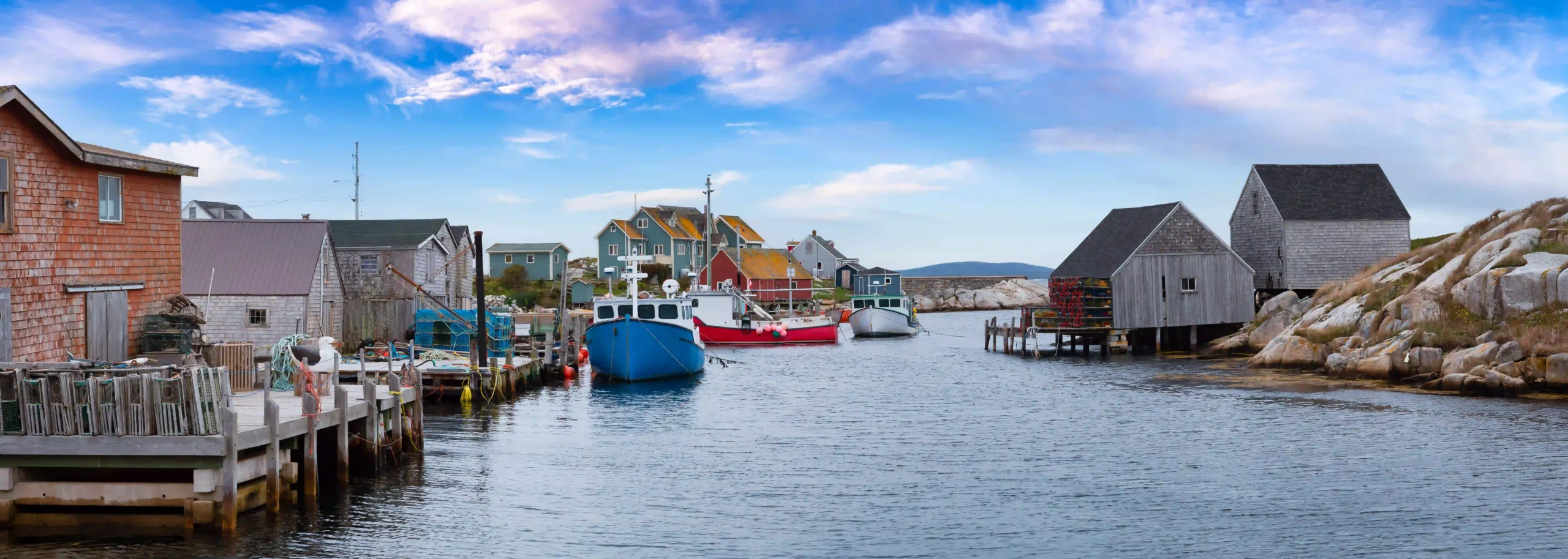
Peggy’s Cove sits about 43km southwest of Halifax — roughly 45 to 50 minutes on a clear run. The lighthouse is perched on wave-smoothed granite boulders with the Atlantic behind it, and it actually looks exactly like every photo you’ve seen of it.
The catch: so does everyone else’s photo, because everyone else is also there.
Arrive before 9am if you can manage it. By mid-morning in summer, the crowds usually build and the rocks go from atmospheric to obstacle course fairly quickly. Early light is better for photos anyway. Go first, then drive back through the village for breakfast after.
Stay off the black rocks near the water’s edge. The signs are not decoration. Waves here come without warning.
From Peggy’s Cove, continue south toward Lunenburg rather than doubling back to Halifax. The drive takes about 90 minutes and passes through small fishing villages that are worth a slow roll through even if you don’t stop.
Day 3 — Lunenburg and Mahone Bay
Lunenburg — Nova Scotia’s Most Colourful Town
Lunenburg is the stop that earns the day. It’s a UNESCO World Heritage site, home to some of the best-preserved British colonial architecture in North America, and the historic home port of the Bluenose II schooner. The waterfront is stacked with painted wooden buildings in reds, yellows, and blues — the kind of place that makes you slow your walking pace without meaning to.
Plan for two to three hours minimum. Walk the waterfront, duck into the old town streets, and get lunch here. The seafood chowder is a safe call at most spots.
Mahone Bay: The Three Churches Stop
Twenty minutes north of Lunenburg, Mahone Bay is a quick but satisfying detour. Three churches line the waterfront in a row, and on a clear day their reflections in the bay are worth stopping for.
You don’t need more than an hour here — grab a coffee, walk the water’s edge, move on. It’s a brief stop that earns its place on the route.
Day 4 — Kejimkujik or a Slower South Shore Day
Should You Go to Kejimkujik?
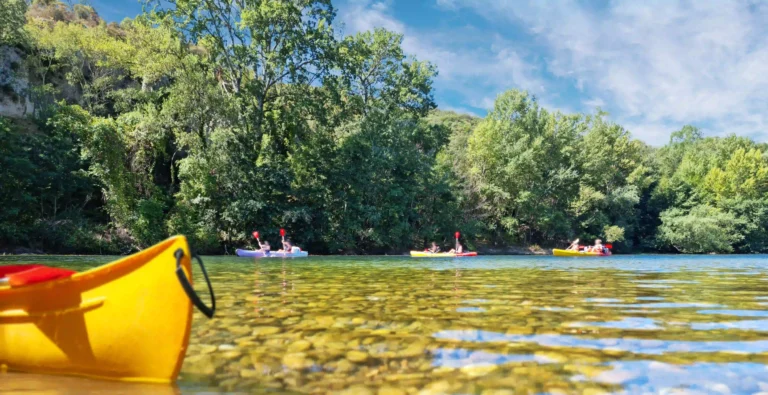
Kejimkujik National Park sits about 1.5 hours inland from Lunenburg. It offers a completely different side of Nova Scotia: Acadian forest, dark-sky stargazing, Mi’kmaq petroglyphs, and beginner-friendly paddling options when conditions and rentals allow.
It’s worth it if you’re drawn to forest, paddling, or indigenous cultural history. If you’re short on time or primarily here for coastline and scenery, it’s also the easiest major detour to cut from this itinerary without major regret.
The inland park charges admission — check current Parks Canada fees before you go, as they update seasonally. The Seaside section, accessed separately near Port Joli, is free.
The Slower South Shore Alternative
If Kejimkujik isn’t calling you, use Day 4 as a slower coastal drive toward the Fundy side. Stop in small harbours, take the long way through Shelburne or Yarmouth if the routing works, and arrive in the Digby or Annapolis area without rushing.
Day 5 — Bay of Fundy: Hall’s Harbour and Digby
This is the section of the trip that people talk about when they get home.
Hall’s Harbour: Watch the Boats Land on the Ocean Floor
Here’s what happens at Hall’s Harbour: at low tide, the lobster boats rest on the exposed harbour floor — completely grounded, listing slightly to one side, looking faintly absurd. Come back a few hours later and those same boats are floating. The harbour has completely refilled.
The Bay of Fundy has the world’s highest tides, and Hall’s Harbour is one of the easiest places to see that change with your own eyes. Time your visit to arrive at low tide, grab the lobster at the wharf shack, and come back later to watch the water return. It costs you nothing and it will flat-out stop you in your tracks.
Digby: Scallops and Whale Watching
Digby is famous for scallops, and this is the place to keep the order simple — pan-fried, maybe a little butter, don’t overthink it.
Bay of Fundy whale watching can be excellent in season, but sightings and operators vary. Check current schedules, routes, and recent reports before booking rather than assuming a particular species or experience is guaranteed.
Day 6 — Annapolis Valley: Grand-Pré, Wolfville, and Blomidon
Grand-Pré National Historic Site
Grand-Pré tells the story of the Acadian people — French settlers who farmed this land for generations before being forcibly expelled by the British in 1755. It’s a sobering and carefully presented site, and it gives context to a whole thread of Nova Scotia’s identity that most visitors miss entirely.
Allow two hours. The gardens alone are worth it in summer.
Wolfville Wine Country and Tidal Bay
The Annapolis Valley produces wine that surprises most visitors. The region’s signature is Tidal Bay — a dry white that’s specific to Nova Scotia and worth trying here since you won’t find it easily elsewhere.
Luckett Vineyards is the most-photographed spot in the area. Benjamin Bridge is one of the best-known names for Nova Scotia sparkling wine. Tasting policies change by season, so check ahead before showing up, especially in summer.
Blomidon Look-off
The look-off at Blomidon gives you one of those views that takes a second to process — rolling farmland dropping away to the red-clay shores of the Minas Basin, with the Bay of Fundy stretching out beyond it. On a clear day you can see the same tidal flats you’ve been watching all week.
Short walk from the car park, no admission fee. Go at golden hour if the timing works.
Day 7 — Tidal Bore Rafting or Slow Return to Halifax
Day 7 gives you a choice depending on how much adventure you have left in you.
Option A — Tidal bore rafting, then Halifax. The Shubenacadie River, near Truro, is one of Nova Scotia’s most distinctive adventure experiences. As the Bay of Fundy tide pushes inland, it reverses the river’s current and creates a bore wave that rafting operators take you into on a Zodiac. It’s either terrifying or exhilarating, depending on your disposition. Usually both.
The mudsliding is the part people don’t expect. The riverbanks are thick red clay — and yes, you will end up covered in it. Bring clothes you don’t mind losing.
Several operators run tours in season; compare current schedules, safety requirements, and prices before booking. South Maitland is about an hour east of Wolfville — do the tour in the morning, clean up, and you have an easy 1.5-hour drive back to Halifax.
Option B — Slow return. If you skip rafting, use the morning for a slower Annapolis Valley stop, one more Fundy viewpoint, or an easy return to Halifax with time to actually sit somewhere before your flight.
Halifax Stanfield is manageable compared with larger hubs, but most long-haul routes still connect through places like Toronto or Montreal, so leave enough connection time.
How to Adjust This Route
Seven days is the right structure for most first-time visitors, but the route bends.
If you have 5 days: Cut Kejimkujik entirely and compress the Annapolis Valley to a single half-day stop on the way back toward Halifax. Prioritise Fundy over everything else if you have to choose.
If you have 10 days: Add Cape Breton as a separate leg. Don’t try to fold it into this route — it needs its own pacing.
If you’re travelling solo: The route works well solo. Halifax in particular is easy to navigate alone, and the South Shore is fine for independent driving. If solo safety is something you’re thinking about, the Halifax solo female traveller guide has practical notes worth reading before you go.
What About Cape Breton Island?
This 7-day route is mainland Nova Scotia. Cape Breton is not a day trip and not a casual add-on.
The Cabot Trail is the drawcard: a 300km coastal loop through the Cape Breton Highlands with cliff-top views over the Gulf of St. Lawrence and some of the best hiking in Atlantic Canada. Add in the Celtic music culture and the parks, and you have at least three full days of material on its own.
Cape Breton is more than four hours from Halifax. If you have 10 days, add it as a separate leg after this mainland route. The Cape Breton itinerary covers how to plan it properly, including where to base yourself and how to pace the Cabot Trail loop.
Ready to Plan Your Nova Scotia Road Trip?
Seven days covers the mainland well. Not rushed, not padded — you’ll see the province rather than just tick the highlights from a tour bus window.
The things worth remembering: you need a car, the Bay of Fundy is the experience that stays with you, and the tides don’t adjust their schedule for anyone. Check tide times before you lock in Day 5, and the rest of the route falls into place around that.
This itinerary is also flexible. Swap Kejimkujik for a slower coastal day if forests aren’t your thing. Skip tidal bore rafting if you’d rather finish easy. The mainland route holds up either way.
If you want to extend the trip, Cape Breton is the natural next chapter. Have questions about fitting this route to your actual dates? Drop them in the comments.



11 Comments