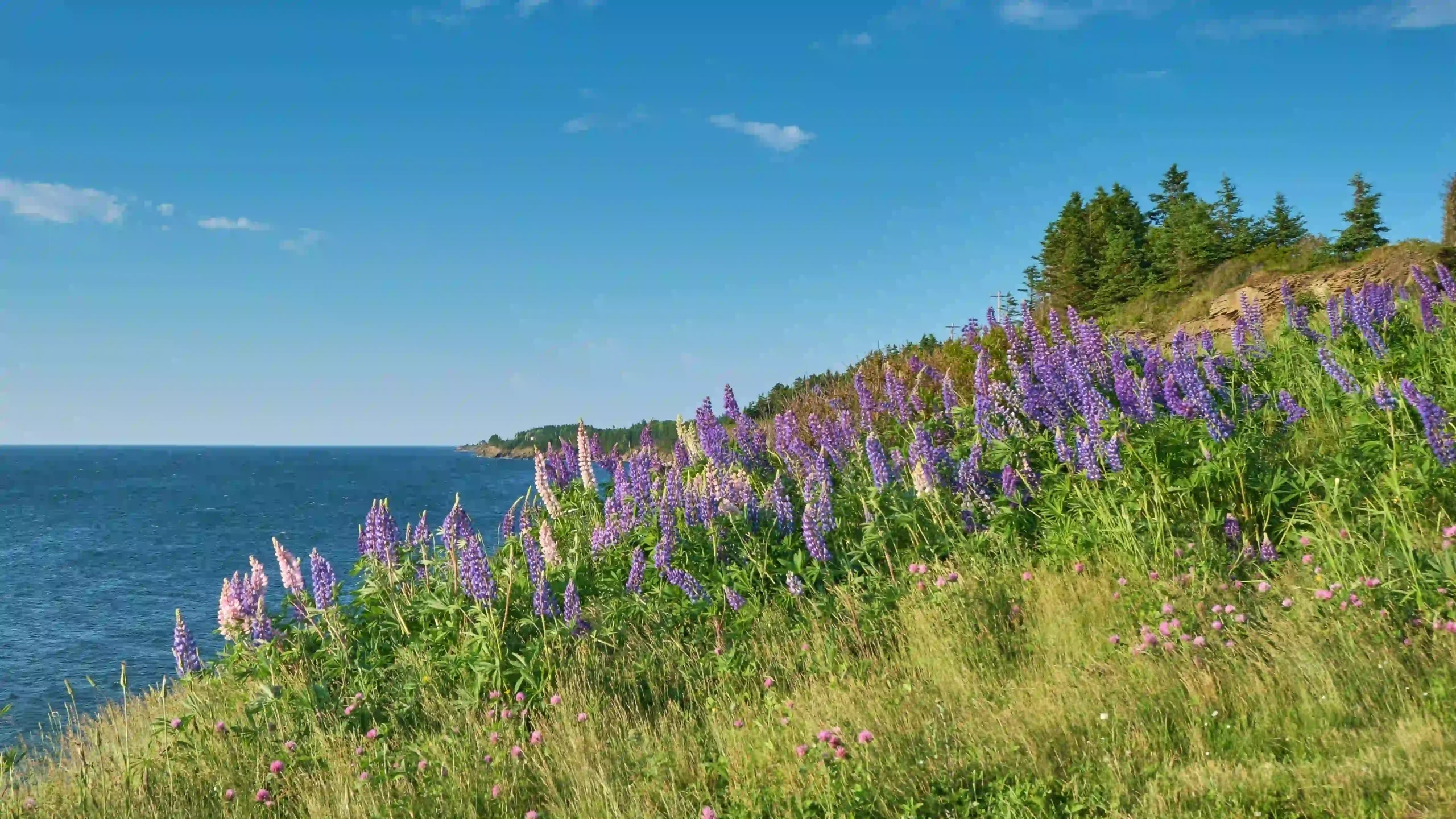
Eastern Shore Nova Scotia Travel Guide: Beaches, Parks, and Quiet Coastal Stops
Affiliate note: This article may contain affiliate links, which means I may earn a small commission if you book or buy through them – at no extra cost to you. I only recommend things that make sense for this kind of trip.
Most first trips out of Halifax point the car southwest. Peggy’s Cove, Mahone Bay, Lunenburg: that route has been photographed so often it practically plans itself. Point the car east instead and you get a different kind of trip. The Eastern Shore Nova Scotia coastline runs out along the Atlantic from the edge of Dartmouth, and it trades harbour-town strolling for long beaches, surf, provincial parks, and quieter roads.
That trade is the whole decision. The Eastern Shore is not trying to be Lunenburg with different scenery, and it works best once you stop expecting it to.
This guide is the orientation layer: what the region is, who it suits, how far each main stop sits from Halifax, and which stretch to choose. It is not a stop-by-stop itinerary, and it won’t walk you through every community along the highway.
Quick Answer: Is the Eastern Shore Worth Visiting?
If you want beaches, surf, open coastline, and a simpler day close to Halifax, it’s one of the easiest wins in the province. You get space and quieter road energy without committing to a South Shore or Cape Breton-scale road trip.
It’s a weaker first pick if your ideal coastal day means colourful main streets and a dense run of restaurants and shops. The Eastern Shore has real communities and local businesses, but they’re spread along a long coast rather than stacked into walkable towns.
The shape of the day matters more than the list of stops. Choose one shape and the Eastern Shore makes sense. Try to do all of them and it mostly becomes driving.
| If You Want | Better Eastern Shore Fit | Why |
|---|---|---|
| Short beach/surf stop near Halifax | Lawrencetown Beach area | Close and simple |
| Longer beach day | Martinique Beach | More of a dedicated beach outing |
| Easygoing family beach | Clam Harbour Beach | Wide sand and a shallow tidal stream |
| Nature/trail-focused day | Taylor Head area | Better with more time |
| Island paddling or a boat outing | 100 Wild Islands, with a local operator | Best reached by water |
| Quiet coastal drive | Pick one stretch, not every stop | The route rewards patience |
| Historic village / longer route | Sherbrooke Village | Not a casual add-on |
| Classic towns and harbour strolling | South Shore may fit better | Different kind of trip |
Where Is the Eastern Shore in Nova Scotia?
The Eastern Shore runs east and northeast from the Halifax-Dartmouth area along Nova Scotia’s Atlantic coast, stretching toward the Guysborough side of the province. Route 207 and Route 7 carry most of the coastal driving, with side roads dropping down to beaches, harbours, and headlands.
In practical terms, it’s the Atlantic coast that isn’t the South Shore. The South Shore runs southwest of Halifax toward Lunenburg, the Annapolis Valley sits inland to the west, and Cape Breton is its own island-sized trip to the northeast. If you’re fitting these regions into a longer trip, the Nova Scotia itinerary guide covers the bigger picture.
Some parts feel close to Halifax. Some parts quietly stop feeling like a day trip. These rough one-way estimates show where that shift happens:
| Stop | Rough Drive from Downtown Halifax (One Way) | What That Means |
|---|---|---|
| Lawrencetown Beach | About 30–40 minutes | Easy half-day or afternoon |
| Martinique Beach | About 1 hour | Comfortable beach day |
| Clam Harbour Beach | About 1 hour 15 minutes | Beach day with a longer drive |
| Taylor Head Provincial Park | About 1.5 hours | Full day, not a quick stop |
| Sherbrooke Village | About 2.5–3 hours | Longer route or overnight |
Treat these as planning ranges, not promises. Actual times change with where you start, traffic leaving the city, road work, weather, and how often the coast convinces you to pull over. Check a live map before you leave.
Eastern Shore vs South Shore: Which One Fits Your Trip?
The South Shore road trip is the classic first-time route: Peggy’s Cove, Mahone Bay, Lunenburg, and a string of harbour towns built for slow walking and eating. The Lighthouse Route extends that coastal-town rhythm further southwest.
The Eastern Shore solves a different day. There are fewer classic town stops and more beach, surf, parkland, and room. You drive, you park, you walk on sand or rock, and the place itself is the point rather than the shops around it.
Neither is better. The South Shore fits if you want towns, food, galleries, and lots of small stops. The Eastern Shore fits if you want coastline, a long beach walk or a surf session, and fewer people per kilometre of shore. If you’ve already done the South Shore, or you live in Halifax and keep wondering what’s east of the city, the Eastern Shore is the natural next move.
Best Eastern Shore Stops for a First Visit
These aren’t the only places worth stopping. They’re the ones that define the main trip shapes, listed roughly from closest to farthest.
Lawrencetown Beach Area
Lawrencetown Beach is the closest well-known beach stop east of Halifax, a provincial beach park along Route 207 past Dartmouth. Surf is its identity. Nova Scotia Parks describes Lawrencetown as a mainstay for surfers who live here or visit, with surf instruction and outfitters operating nearby.
It works well as a short coastal outing: a beach walk, time watching the surfers, maybe a stretch of the nearby coastal trail. The official park listing flags strong rip currents as common, so if you’re new to surfing, book a lesson with a local school instead of renting a board and improvising.
Martinique Beach
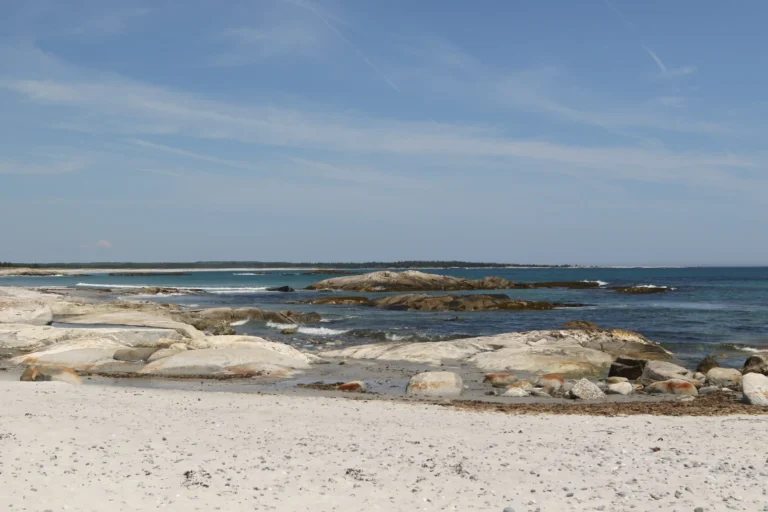
Martinique sits south of Musquodoboit Harbour, and it’s the pick when the beach itself is the plan: pack lunch, walk a long way, stay a while. Tourism Nova Scotia bills it as the province’s longest sandy beach.
It’s also a protected area for piping plover and a refuge for migratory waterfowl, so respect posted or roped-off areas in the dunes. The Nova Scotia Parks listing for Eastern Shore beach parks notes that parking may be limited on summer weekends.
Musquodoboit Harbour
Musquodoboit Harbour works best as a route point rather than the headline of the day. It’s roughly where the drive shifts from “just outside the city” to something more properly Eastern Shore, and where you decide whether you’re turning toward Martinique or continuing along Route 7. Regroup, pick up supplies, support local businesses on the way through, and keep going.
Clam Harbour Beach
Clam Harbour sits farther along Route 7, south of Lake Charlotte, and it’s a strong fit for families who want one easy beach rather than a surf beach. Nova Scotia Parks describes a long, wide sandy beach with a picnic field up on a bluff, and Tourism Nova Scotia highlights a warm, shallow tidal stream on one side of the beach that’s popular with kids.
The beach is also known for its long-running sandcastle competition in August, which draws big crowds, so check the date if you’d rather join the fun or avoid it. Supervised swimming is seasonal and subject to change, so confirm the current schedule before planning a swim.
100 Wild Islands
Offshore between Clam Harbour and the Mushaboom area lies the 100 Wild Islands, an archipelago of more than 280 islands and islets that the Nova Scotia Nature Trust has worked with the province and landowners to protect.
This one comes with an asterisk: it isn’t a drive-up stop. The islands are best experienced by water, which means experienced sea kayakers or a guided paddle or boat trip with a local operator. It suits travellers who want the wildest version of this coast and are willing to plan around weather and sea conditions. If you’d rather stay on land, Taylor Head looks out toward the same island-dotted coastline.
Taylor Head Provincial Park Area
Taylor Head changes the day. The park sits southwest of Sheet Harbour on Route 7 and covers a rugged, wind-exposed peninsula pushing into the Atlantic, with a trail network, coastal barrens, and sandy coves. This is a nature-and-trails outing, not a quick beach stop.
It rewards decent weather, because an exposed headland in fog and wind is a different experience from the one in the photos. The official Taylor Head park page advises sturdy footwear, layers, and telling someone where you’re going and when you plan to be back. Tourism listings describe the main beach as unsupervised.
Sherbrooke Village
Sherbrooke Village is much farther east, along the St. Mary’s River, on the way toward the Guysborough side. It’s a living history museum set in the 1860s era of timber, tall ships, and gold, with costumed interpreters working traditional trades. It’s a strong cultural stop for anyone doing the long version of the coast, and it runs seasonally, so check current hours and dates before committing.
Best Eastern Shore Plans by Time
The farther east you go, the fewer stops you should plan.
| Time Available | Better Plan |
|---|---|
| 2–3 hours | Lawrencetown-style short coastal stop |
| Half day | One beach or one short coastal stretch |
| Full day | Martinique, Clam Harbour, or Taylor Head, not every stop |
| Family day | One beach/park with current facilities checked |
| Bad weather | Shorter coast or postpone exposed stops |
| Longer route | Continue toward Sherbrooke / Guysborough side |
| First Nova Scotia trip | Compare with South Shore before choosing |
The mistake is treating the Eastern Shore like a checklist route when it works better as one or two good stops.
Beaches and Surf: What to Know Before You Go
Beaches are a major reason to head east, but not every beach day is a swim day. The Atlantic here stays cold for much of the year, and surf beaches come with real currents.
- Rip currents are a real factor. Official listings for surf beaches like Lawrencetown specifically warn about them. When supervised swimming is running, swim inside the supervised area and follow lifeguard instructions.
- Supervision and facilities are seasonal. Lifeguards, change houses, and washrooms vary by beach and by year. Check current park information before you count on anything.
- Wind and fog change the plan. A calm morning can turn into a cold, grey afternoon, so pack layers even in summer.
- Dunes and shorebird areas are protected. Stay on boardwalks and marked paths, and respect closures.
Choosing between specific beaches deserves its own guide. This section covers the conditions that shape any beach day here, whichever sand you end up on.
With Kids: Keep It Simple
One beach or one park is plenty. Every extra stop adds car time, and car time is where family beach days go to die. Clam Harbour or Martinique usually suits a relaxed family day better than a surf-focused stop.
Pack more than you think you need: layers, a full change of dry clothes, towels, and snacks. Kids will find the water whether or not it’s swimming weather, and cold water and wind hit smaller kids faster than adults. A short, happy visit beats a long, shivering one.
If energy is low or the forecast is doubtful, closer options may be the better call. The easy fall walks near Halifax and Halifax parks for fall colours guides cover gentler outings without the coastal exposure.
When the Eastern Shore Is Not the Right Choice
You want towns, restaurants, and shops. The South Shore is built more around that rhythm.
The weather is rough. An exposed beach or headland in driving rain is less rewarding than it sounds. Save the coast for a better day and look at rainy day options in Halifax instead.
You have one first-time day in Nova Scotia. Peggy’s Cove and Lunenburg are the more classic introduction. If you’re only in the city briefly, a 3-day Halifax itinerary may be the better use of your time.
You’re chasing dramatic fall colour. The Eastern Shore’s autumn strength is quiet coastline, not foliage. Inland routes, the Annapolis Valley, or Cape Breton will usually deliver more colour.
What Not to Do
- Don’t try to see Lawrencetown, Martinique, Taylor Head, and Sherbrooke in one casual day. That’s a long drive with very little time at any of them.
- Don’t assume a beach is a swim beach. Surf, cold water, supervision, and facilities all vary, so check current conditions first.
- Don’t treat small communities as roadside props. People live and work here. Stop, buy something, and be a decent visitor.
- Don’t compare every stop to Lunenburg. It’s a different coast doing a different job.
- Don’t make the route longer just because the map keeps going. Turning around is allowed.
Best Time to Visit the Eastern Shore
Summer is beach season, when seasonal supervision and facilities are most likely to be operating. Fog and wind still don’t take summers off.
Fall suits quieter coastal walks and drives. It isn’t reliable swim weather, but the beaches work well for walking rather than lounging.
Winter and spring are more weather-dependent, with some facilities closed and exposed coast that can feel cold and raw.
Shoulder seasons can be beautiful but sparse: fewer people and softer light, but fewer services too.
FAQ
Is the Eastern Shore Nova Scotia worth visiting?
For travellers who want beaches, surf, and quieter coastline close to Halifax, it’s well worth the time. It’s less suited to people looking for dense harbour towns full of shops and restaurants.
What is the Eastern Shore of Nova Scotia known for?
Long sandy beaches, surf around Lawrencetown, provincial parks like Martinique Beach, Clam Harbour, and Taylor Head, the 100 Wild Islands archipelago, and small communities spread along the Atlantic. Sherbrooke Village adds a living history stop on the longer route east.
How far is the Eastern Shore from Halifax?
It depends which part you mean. Lawrencetown is roughly 30–40 minutes from downtown Halifax, Martinique about an hour, Taylor Head about an hour and a half, and Sherbrooke Village around 2.5–3 hours one way. Times vary with starting point, traffic, and weather, so check a live map.
What are the best Eastern Shore beaches?
Lawrencetown suits surf and a shorter outing, Martinique suits a long beach walk, and Clam Harbour suits a relaxed family day. There are others along the coast, and choosing between them properly deserves its own dedicated guide.
Is Lawrencetown Beach worth visiting?
It’s one of the easiest coastal stops east of Halifax, especially if you want to watch surfers or try a lesson. Strong rip currents are common, so swim only within supervised areas when supervision is running.
Is Martinique Beach worth visiting?
It suits anyone who wants the beach to be the whole outing. It’s a long walking beach and a protected shorebird area, and parking may be limited on summer weekends.
Is Taylor Head Provincial Park worth visiting?
For hikers and nature-focused travellers, it’s one of the more rewarding stops on the coast. It needs a full day and is best with decent weather.
Can you visit the Eastern Shore as a day trip from Halifax?
A day trip works well if you keep it to one stretch, such as Lawrencetown, Martinique, or Clam Harbour. Taylor Head is possible as a longer day. Sherbrooke Village fits better as part of a longer route.
Is the Eastern Shore better than the South Shore?
They suit different trips. The South Shore is stronger for towns, food, and classic harbour scenery. The Eastern Shore is stronger for beaches, surf, parks, and quieter coastline.
Is the Eastern Shore good with kids?
It can be a relaxed family day if you keep it to one beach or park, pack layers and dry clothes, and check that facilities are open before you go.
The Short Version
The Eastern Shore is at its best as a place for quiet coast, beaches, surf, parks, and low-key nature within reach of Halifax. It’s not doing the same job as the South Shore, and it doesn’t need to.
Lawrencetown, Martinique, and Clam Harbour carry a beach day. Taylor Head is a longer nature day, the 100 Wild Islands are for time on the water, and Sherbrooke Village belongs to a longer route east. The smart Eastern Shore trip is simple, not exhaustive.