Annapolis Valley in Winter: Bald Eagles, Wine and Wolfville
Affiliate note: This article may contain affiliate links, which means I may earn a small commission if you book or buy through them – at no extra cost to you. I only recommend things that make sense for this kind of trip.
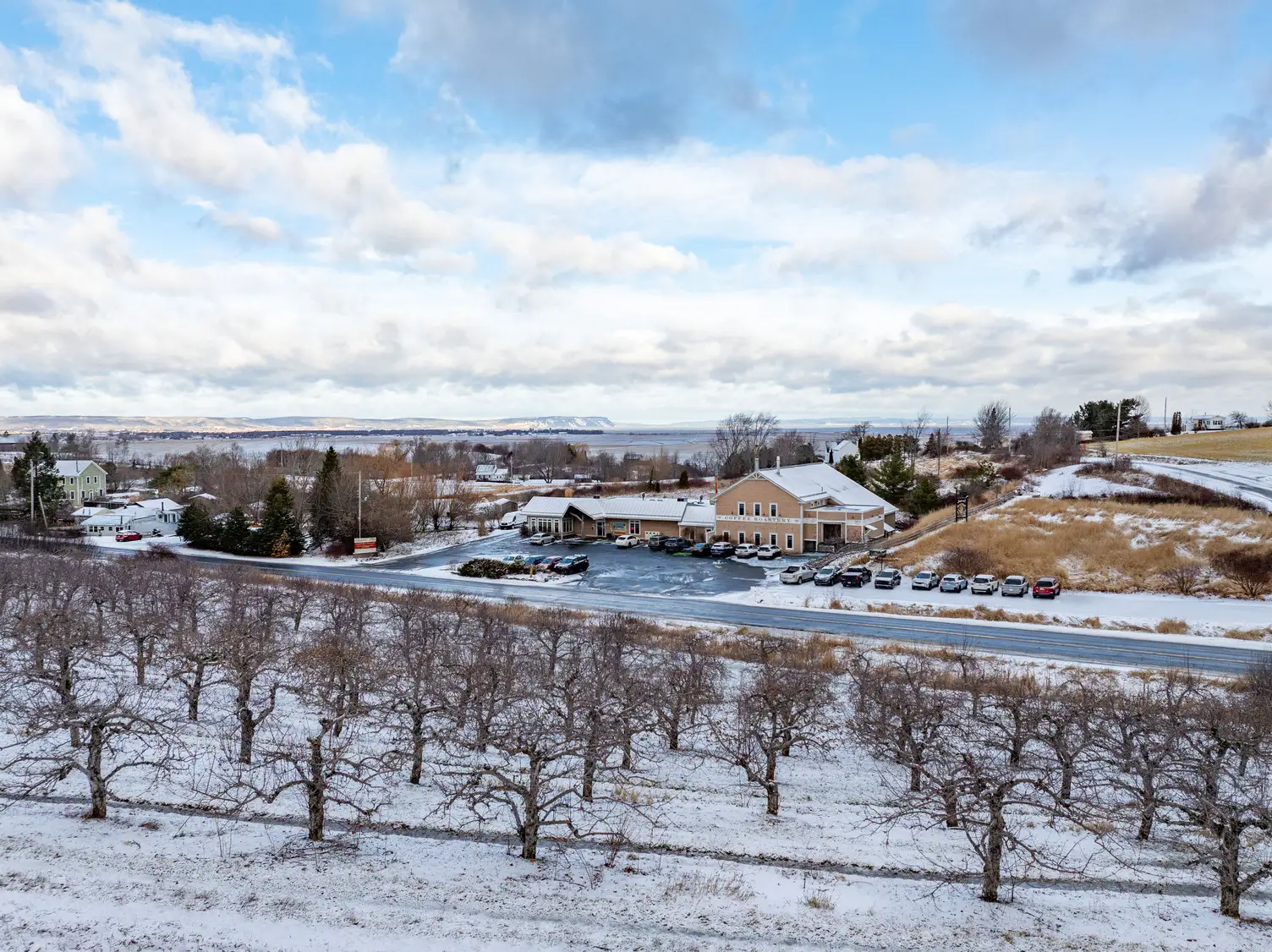
Photo: Tourism Nova Scotia / Davey & Sky
Last checked: November 21, 2026
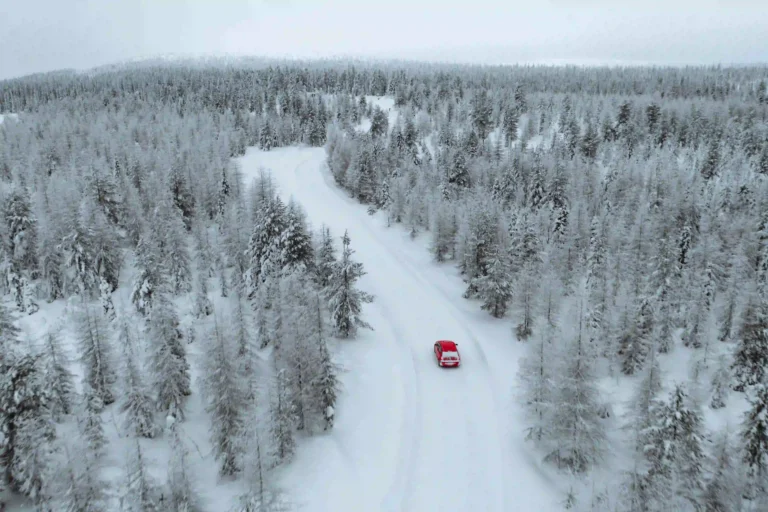
Winter strips the Annapolis Valley back to a quieter landscape: bare orchards, resting vineyards and small towns with room to slow down. Around Wolfville and Sheffield Mills, that quieter season can make a satisfying short trip.
The winter eagle gathering gives the trip a different focus from a summer winery visit. Bald eagles sit in the treelines above Kings County farmland. Wolfville’s Main Street gives you somewhere warm for lunch. And a winery visit in February usually means a quiet room and staff with time to talk, not a crowded patio.
Here’s the short verdict. The Annapolis Valley in winter is worth the drive if you build the trip around one booked anchor, like a tasting or a dinner, and treat the eagles as a likely bonus rather than a scheduled show. It works as a day trip from Halifax. An overnight in Wolfville makes it calmer, especially if you want both a winery and an unhurried eagle drive.
This guide sticks to the eastern Valley: Wolfville, Grand-Pré, the Gaspereau Valley and Sheffield Mills. It isn’t a guide to the whole region in winter, and it won’t send you down the road to Digby.
What changes in the Annapolis Valley in winter?
Winter here comes in two parts.
December is holiday season. Wineries lean into evening events and gift shopping, and that’s the month with the most going on. Holiday closures can interrupt an otherwise busier events calendar, and those dates differ from one business to the next.
January and February are quieter, and this is when the eagles come in. Opening schedules shrink, and plenty of places run a reduced week, often closed early in the week. A Monday trip can find a surprising number of locked doors.
Don’t count on snow, either. Some years the vineyards sit under a clean white layer. Other years it’s brown stubble, rain and slush. The trip works either way, but the postcard version isn’t guaranteed.
Sheffield Mills: why do bald eagles winter here?
Sheffield Mills is a small farming community on Route 221 between Canning and Centreville, on the north side of the Valley. After the apple trade declined, many local farms moved into poultry. Waste from those poultry operations began drawing bald eagles to winter in the area in the 1980s, and the community built a winter tradition around it.
For about three decades, that tradition was the Sheffield Mills Eagle Watch. Farmers put out chicken carcasses at a feeding site, photographers lined the road, and the community hall served breakfasts on Eagle Watch weekends.
Is the Sheffield Mills Eagle Watch still running?
Not the way it used to. In 2022, organizers suspended the eagle feedings and then cancelled the Eagle Watch over concerns that avian influenza could spread through the birds or the farm carcasses used to feed them. Local photographers now write about the event in the past tense.
The old feeding-based Eagle Watch and the community’s breakfast events are different things. A Sheffield Mills Eagle Breakfast was advertised in March 2026 without eagle feeding. For your winter trip, check for a dated announcement rather than relying on old feeding times, viewing-field directions or breakfast schedules.
Are there still eagles to see?
Yes. The eagles didn’t stop coming just because the feedings did.
The Blomidon Naturalists Society runs a one-hour raptor count in eastern Kings County almost every winter. Its published 2023 results recorded 265 bald eagles across the survey area. That gives you a sense of the winter gathering, not a number to expect at one roadside stop.
What’s different now is how you see them. Without a feeding site, the eagles are more spread out. You’ll find them perched in tall trees at the edges of fields, circling over farmland, or standing out in an open field. It’s a slow search, not a show at a set time and place. Some outings are full of birds. On others you’ll spot three eagles and a lot of crows.
When is the best time to look?
January and February. The naturalists’ count is held in late January or early February, and the old Eagle Watch weekends fell in the same window, so that’s when the wintering population is reliably in the area. Cold snaps can help. Once March arrives, the birds start heading back to their nesting territories.
How do you watch eagles without causing problems?
Bring binoculars. If you take photos, a long lens matters more than a fast camera, because the birds are usually across a field or high in a tree.
Dress for standing still, not for walking. That means warm layers, a hat, gloves you can use a camera in, and insulated boots. A thermos helps more than you’d think.
The rest is about manners:
- Stay on public roads. The fields are private, working farmland. Don’t walk into them, and don’t block farm lanes or driveways.
- Never approach, feed or bait the birds. Leave dead birds alone too, given the avian flu history.
- Park properly or keep driving. Don’t stop in the travel lane, and don’t pull onto a snowy shoulder when you can’t see how deep or soft it is. If there’s no safe spot to pull over, drive on and scan the next stretch.
- Bring a spotter. A passenger with binoculars lets the driver keep their eyes on the road, which is what rural winter roads need.
Why does Wolfville anchor the trip?
Sheffield Mills gives you the eagles. Wolfville gives you everything else: a proper lunch, coffee, washrooms and a short walk to warm up between outdoor stops.
It’s also central to the rest of this route. Grand-Pré sits just to the east, the Gaspereau Valley wineries are a short drive south, and Sheffield Mills is across the Valley to the north. Acadia University keeps the town busy through the winter term, so Wolfville feels lived-in in February rather than closed up.
If the sidewalks are clear, walk Main Street for half an hour after lunch. If they’re glazed with ice, skip the stroll and stay put somewhere warm. Our Wolfville guide covers the town in more detail.
One practical habit makes a big difference here: choose your lunch spot before you leave home. Winter schedules shrink and some places close one or two days midweek, so check that day’s hours online instead of trusting a summer listing.
Wineries in winter: how many should you visit?
One visit is often enough, and it’ll probably be better than three rushed ones.
You don’t need a wine tasting to make the trip worthwhile. Eagle watching, lunch in Wolfville and a short town walk can fill a relaxed winter day on their own.
Before you book, decide which kind of visit you want. A tasting is a guided flight, usually seated and often by appointment. Dining means a full meal at a winery restaurant, usually reserved separately. Seasonal outdoor experiences are winter extras that come and go by season and need their own booking. Pick one and book that.
Lightfoot & Wolfville
Lightfoot & Wolfville says its hospitality operates year-round, with hours and offerings that change by season. The site lists tastings, a wine shop and a restaurant, and restaurant reservations go through an online booking system. If you want a meal, book the restaurant. If you only want a tasting, check the format and timing for your date, because winter tasting options may not match what you saw in summer.
Benjamin Bridge
Benjamin Bridge, in the Gaspereau Valley, offers tastings year-round by appointment, booked online or by phone. Seasonal winter experiences, such as evening Holiday Lights visits, are booked separately. Opening days and closures change with the season, and the schedule posted in late fall covers November and December only. Don’t treat it as a guide to January or February.
What about Grand Pré Wines?
If you’re coming through Grand-Pré, Grand Pré Wines runs its wine shop and its restaurant, Le Caveau, on separate schedules, with different holiday closures for each. The fact that the shop is open doesn’t tell you the restaurant is, and the reverse is also true. Check each one for your date.
For a wider look at the area’s wineries, see our Wolfville wineries guide. Just remember that a summer-season list doesn’t tell you what’s running in February.
Who’s driving?
Settle this before you book anything. Have a non-drinking driver, or arrange transport and confirm it ahead of time. Don’t assume a wine-tour shuttle runs in winter.
Staying the night in Wolfville takes care of dinner, since you can walk back. It doesn’t solve getting between wineries, because the Gaspereau wineries aren’t walking distance from town.
How do you put an Annapolis Valley winter day together?
These are flexible shapes, not timetables. Winter daylight is short, so leave more room than you think you need.
Option 1: The day trip
- Sheffield Mills first, if you’re in the January–February window and the roads are clear. Set a firm departure time from Sheffield Mills based on your lunch and tasting reservation. If you want an open-ended eagle outing, leave the winery unbooked and make this a birdwatching-and-lunch day instead.
- Lunch in Wolfville. Warm up, walk a bit if the sidewalks allow.
- One booked winery visit. If the weather turns unsafe, cancel or reschedule under the winery’s own policy rather than driving through it.
Option 2: The overnight
- Arrive in the afternoon for a booked tasting or a winery visit, then check in.
- Dinner close to where you’re sleeping, ideally somewhere you can walk to.
- Eagles the next morning, on your way out, if the roads are good. You’ll be fresh, the trip home is still ahead of you, and you’re not up against a tasting appointment.
Neither version needs a coastal detour or an exposed winter hike to feel complete. If you want a bigger loop around the province, our Nova Scotia winter road trip covers that. This trip is better kept small.
Is it worth staying overnight in Wolfville?
For this route, yes, if you want a winery and the eagles without rushing. An overnight works particularly well when dinner is within walking distance of your accommodation.
Look at the actual address before you book. When you compare Wolfville hotels on Expedia, open the map view, because a listing that says “Wolfville” can be on a highway outside town or in a neighbouring community. That’s fine if you’re driving everywhere, but it’s not fine if you planned to walk to dinner. Check that a restaurant near you is open on your night, because winter weeknights can be thin.
Our guide to where to stay in the Annapolis Valley compares the areas in more detail.
What if the weather turns?
There’s a difference between a grey day and a dangerous one.
Drizzle, low cloud and wet roads are ordinary Valley winter. A tasting and lunch work fine in that weather, and eagles still sit in the trees. A snowstorm, freezing rain or a travel advisory is a different call. A good café is never a reason to drive through a storm. Move the trip, because the eagles will still be there next weekend.
Before you leave, check Nova Scotia 511 and the Environment Canada forecast for Kings County. Drive on proper winter tires, start with a full tank, and pack boots with real grip. Ice cleats are worth having for Wolfville’s sidewalks and any roadside stop.
The decision that makes this trip work is simple. Book the one thing that needs booking, whether that’s the tasting or the dinner, and leave the eagles loose. Plan the day around the reservation and treat the birds as the part you can move. If you get that order right, a grey February Saturday in the Valley can turn out better than you expected.