Best Things to Do in Halifax: Your No-Fluff Guide to Nova Scotia’s Capital
Affiliate note: This article may contain affiliate links, which means I may earn a small commission if you book or buy through them – at no extra cost to you. I only recommend things that make sense for this kind of trip.
Most international travellers fly into Halifax expecting a quiet stopover city on the way somewhere else. Then they stay an extra two days. That keeps happening for a reason.
Halifax punches well above its size. It’s compact enough to walk most of it, but dense enough that you’ll keep stumbling into things — a historic brewery dating back to 1820, a waterfront boardwalk where buskers play beside the ocean, a hilltop fortress where someone fires an actual cannon at noon. For a city this size, it has no business being this interesting.
This guide covers the best things to do in Halifax for first-time visitors, with rough cost guidance and practical notes so you can plan without building your day around stale numbers.
Prices in this guide are rough 2026 planning ranges, not guaranteed live rates. Check current admission, tour, transit, and restaurant prices before building your budget around them.
If you want this turned into a day-by-day plan, use the 3-day Halifax itinerary.
Quick Answer: Best Things to Do in Halifax
For a first visit, start with the Halifax Waterfront Boardwalk, Halifax Citadel, the Public Gardens, Pier 21, and the Maritime Museum of the Atlantic. Add Peggy’s Cove if you have a half day and transport. If you want a more local finish, save time for the North End, Point Pleasant Park, or the ferry to Dartmouth.
| If You Want… | Do This |
|---|---|
| First feel of the city | Walk the Halifax Waterfront Boardwalk |
| Best historic stop | Halifax Citadel |
| Best museum | Canadian Museum of Immigration at Pier 21 or Maritime Museum of the Atlantic |
| Classic coastal day trip | Peggy’s Cove |
| Best free city break | Public Gardens or Point Pleasant Park |
| More local evening | North End / Agricola Street |
| Cheap harbour view | Halifax ferry to Dartmouth |
Walk the Waterfront Boardwalk First
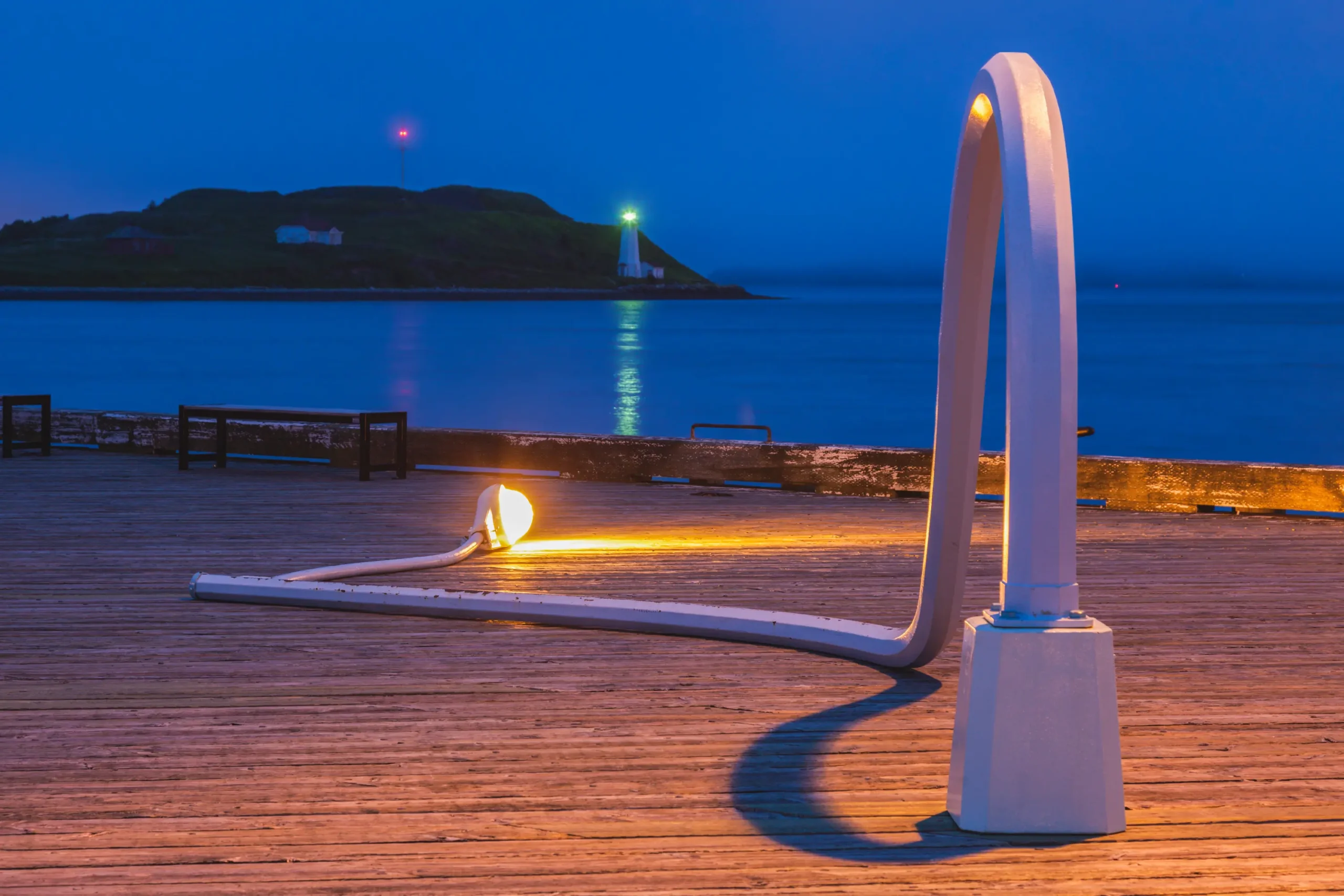
Before you do anything else in Halifax, walk the waterfront. The boardwalk stretches just over 4 kilometres along the harbour and gives you the easiest first read on the city — and it’s free.
This is where Halifax shows you what it is. Fishing boats, ferries, street performers, lobster rolls eaten on wooden benches with the Atlantic right in front of you. During summer, buskers fill the stretch between the Historic Properties and the Maritime Museum. In September and October, the crowds thin out and the harbour light turns golden.
Don’t rush it. Give it a morning or an evening, grab a coffee from one of the waterfront cafés, and let it do its thing. If you’re an early riser, the 7am version — quiet, fishing boats, mist on the water — is a completely different experience from the midday stretch.
If you want to get on the water rather than just look at it, the kayaking and SUP in Halifax guide covers your options.
What’s along the boardwalk?
The waterfront is lined with actual things to do, not just walking. The Historic Properties — a cluster of 19th-century stone warehouses — house independent restaurants and shops. The Maritime Museum of the Atlantic sits mid-boardwalk. Pier 21 anchors the southern end.
If you’re in Halifax on a Saturday morning, the Seaport Farmers’ Market just past Pier 21 is worth building your morning around. It’s a long-running Halifax institution and pulls in vendors from across Nova Scotia — local cheese, smoked fish, baked goods, crafts.
Admission to the waterfront itself: free.
Halifax Citadel: The Star-Shaped Fort on the Hill
The Halifax Citadel sits at the top of Citadel Hill and gives you a panoramic view over the entire city. The star-shaped fort — built in its current form in the 1850s — is one of Nova Scotia’s most visited historic sites, and it earns that.
The noon gun is part of the classic Halifax experience when it’s running — loud enough to make everyone pretend they were ready for it. In summer, costumed soldiers perform the Changing of the Guard and other period programming. Admission and seasonal programming change, so check the official Parks Canada page before you go.
Go early to beat tour groups — the fort is busiest between 10am and 2pm. The early morning light from the ramparts over the harbour is also hard to argue with.
The Canadian Museum of Immigration at Pier 21
If you’re coming to Halifax from outside Canada, this one hits differently.
Pier 21 was Canada’s main immigration gateway from 1928 to 1971. Nearly one million people walked through those doors — refugees, post-war arrivals, families starting over. The museum now tells those stories through personal archives, interactive exhibits, and a short film that earns every one of its minutes. There’s also a genealogy centre on-site where you can research whether your own family came through.
It’s Canada’s sixth national museum, and it’s especially worth the time if immigration history connects to your own story in any way. Check current admission on the Pier 21 website before you go. Plan for roughly 90 minutes to two hours if the subject is a major interest.
What Should You Eat in Halifax?
Halifax’s food scene is better than most visitors expect, and the local food argument starts with one thing.
The Halifax donair has been the city’s official food since 2015. It’s a Maritime spin on the döner kebab: spiced beef on a rotating spit, served in pita with tomatoes, onions, and a sweet garlic sauce that’s entirely its own thing. Messy, a little chaotic, and built for late nights. King of Donair is the classic name because of the origin story — operating since the 1970s — but donair quality in Halifax is its own local argument. Treat it as a cultural stop as much as a meal.
Lobster rolls are easy to find around the waterfront in season, but prices move around enough that it’s safer to treat them as a splurge snack than a cheap lunch. Budget accordingly and don’t anchor to any figure you read online.
For a more structured introduction to the food scene, guided food tours run through the waterfront district and typically cover six to eight stops over around two hours. Check current operator prices directly — these shift by season and group size.
The Seaport Farmers’ Market on Saturday mornings is also worth factoring into your trip planning — local cheese, smoked fish, baked goods from vendors across Nova Scotia.
Alexander Keith’s Brewery Tour
Alexander Keith’s is a historic Halifax brewery brand dating back to 1820, and the Victorian stone complex two blocks south of the Maritime Museum is worth seeing on its own terms.
The tour leans more into Halifax history and atmosphere than a behind-the-scenes production tour, which surprises some visitors. That’s not necessarily a problem — the history is the point. Expect costumed guides, a look at the building’s historic spaces, beer samples, and live music in the Stag’s Head Tavern at the end.
Check the official booking page for current tour times and prices. It works well paired with the waterfront walk — the brewery is right in downtown Halifax, easy to build into an afternoon.
Is a Day Trip to Peggy’s Cove Worth It?
Short answer: yes, but go in the morning.
Peggy’s Cove is about 45 to 50 minutes from downtown Halifax, and the lighthouse perched on smooth Atlantic granite has become one of the most photographed spots in Nova Scotia. The surrounding fishing village adds to it.
Stay off the black rocks near the water’s edge. The signs are not decoration. Waves here come without warning.
Come before 10am if you can, or later in the afternoon. By midday in summer, tour buses arrive in force.
Getting there
You need transport. Options:
- Guided tour from Halifax: Half-day tours are the easiest option and typically include hotel pickup, commentary, and around 1.5 hours at the cove. Guided tour prices shift heavily by season, so check current rates before building your budget around them.
- Rental car: Easy drive and gives you flexibility to stop at viewpoints along the coast. Rental rates vary significantly by season and availability.
- Taxi/rideshare: More expensive and less flexible — confirm current rates before you book.
The lighthouse itself is free to walk around. There’s a restaurant on-site if you need a coffee or a bite.
Public Gardens & Point Pleasant Park: Where Locals Actually Go
Two free outdoor spaces worth knowing about.
Halifax Public Gardens opened in 1867 and still look it. Sixteen acres of Victorian flower beds, ornate iron gates, a central gazebo, and the kind of quiet that makes you forget you’re in a city. It’s adjacent to the downtown core and free to enter.
Point Pleasant Park is a 75-hectare wooded park at the southern tip of the Halifax Peninsula, with trails running along the water and through forest. It’s where locals run, walk dogs, and escape the city without leaving it.
If you only have time for one, choose Public Gardens for an easy downtown pause and Point Pleasant Park if you want a longer walk by the water.
Both parks: free.
When Is the Best Time to Visit Halifax?
May to October is the practical answer. Summer (July–August) brings the warmest weather, the most festivals, and the most crowded waterfront. The Royal Nova Scotia International Tattoo runs in July, and the Halifax Busker Festival fills the waterfront with street performers.
September and October are excellent — really excellent. Fewer tourists, crisp air, fall colours arriving by mid-October, and the city in a comfortable groove. If you’re flexible on timing, early September is hard to beat.
Winter is cold and often wet, but Halifax has a live music scene and indoor culture that keeps locals entertained. Not the obvious choice for an international trip, but the city doesn’t shut down.
How Many Days Do You Need in Halifax?
One day is enough for the waterfront, Citadel, and one museum. Two days lets you add Peggy’s Cove. Three days is the better first-trip shape — it gives you time for the North End, the parks, the ferry to Dartmouth, and a slower meal without turning the city into a checklist.
The 3-day Halifax itinerary lays it out day by day if you want a ready-made structure.
Practical Tips for International Travellers
A few things worth knowing before you arrive:
- Getting around: Halifax is walkable in the downtown core. For Peggy’s Cove or other day trips, you’ll need a rental car or tour. The Halifax Transit ferry runs across the harbour to Dartmouth and is worth taking just for the views of the skyline — check current fares on the Halifax Transit website.
- Accommodation: Staying in or near the downtown waterfront puts you within walking distance of almost everything on this list. For neighbourhood and hotel-area tradeoffs, use the where to stay in Halifax guide.
- Safety: Halifax is a walkable, manageable city for solo visitors. If you’re travelling alone, the Halifax solo female travel safety guide goes deeper on late-night route choices and neighbourhood context.
- Currency: Prices here are in Canadian dollars. Exchange rates shift, so treat any USD equivalents you see online as rough ballpark figures only.
Halifax Rewards the Time You Give It
Halifax rewards slow travel. The city is compact, but it has layers — a hilltop fortress, Pier 21’s immigration stories, a brewery with nearly two centuries of local history, and one of the better casual food cultures in Atlantic Canada, all within walking distance of each other.
The waterfront alone is worth a half-day. Add the Citadel and Pier 21, and you’ve got a full one. Throw in Peggy’s Cove and a brewery tour, and you’re looking at two days well spent.
If Halifax is the start of a longer trip, the Nova Scotia itinerary is the natural next step.
Have you been to Halifax? Drop your recommendations in the comments — especially any local spots you think I missed.