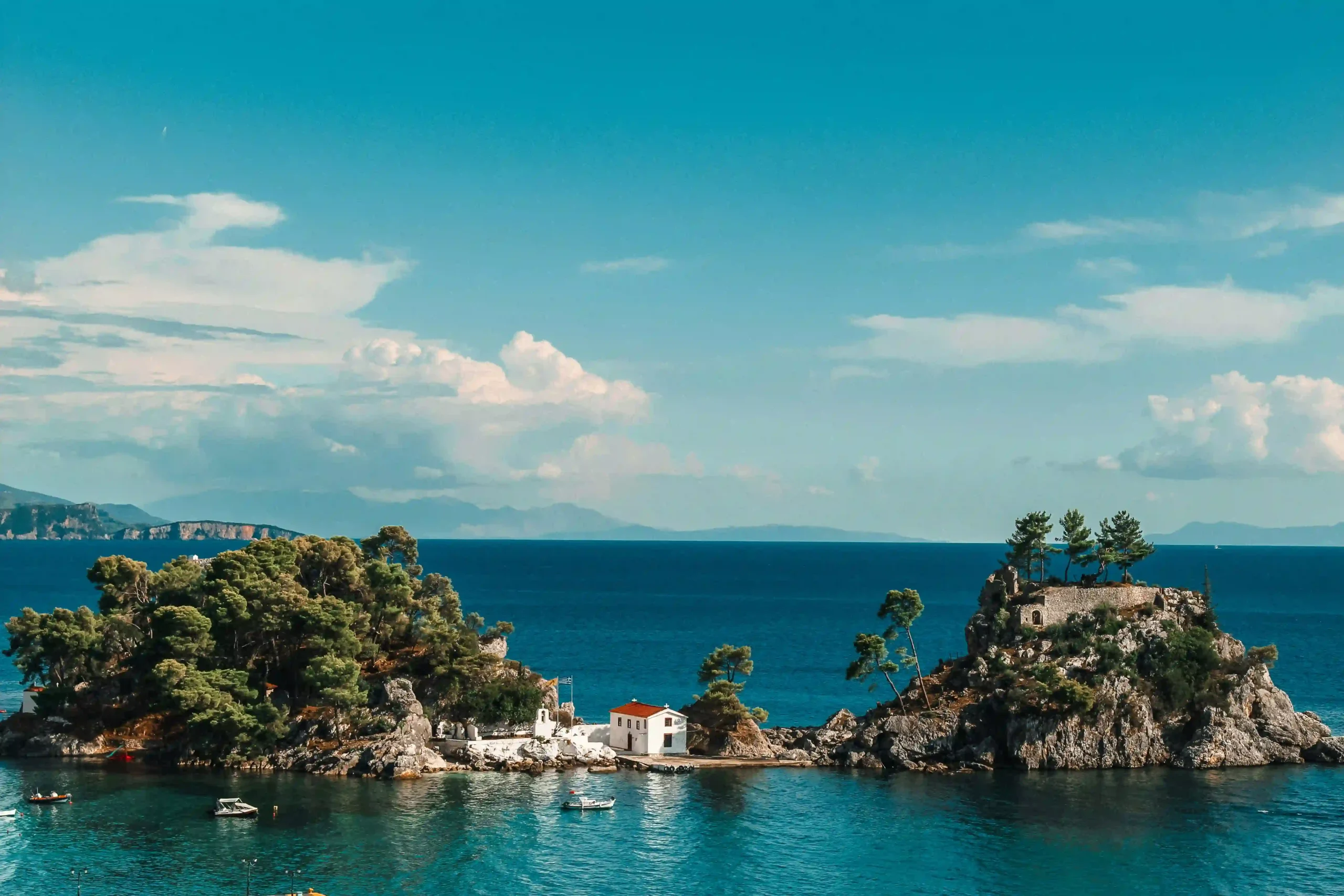
Diving at Sapientza Island, Pylos: What’s Down There
Affiliate note: This article may contain affiliate links, which means I may earn a small commission if you book or buy through them – at no extra cost to you. I only recommend things that make sense for this kind of trip.
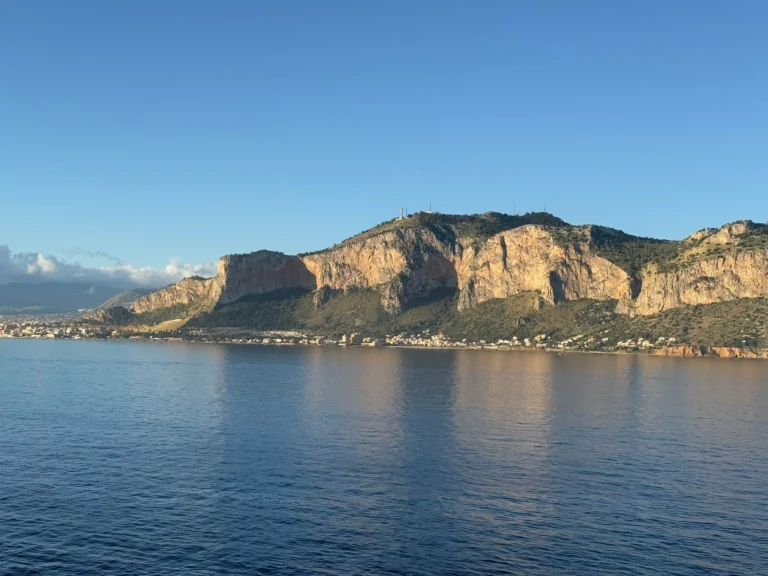
Most people visiting Pylos spend their time on the beaches or exploring the castle. Fair enough. But a short boat ride off the coast lies an uninhabited island where two Roman shipwrecks sit on the seabed — one still loaded with marble sarcophagi that have been resting there since the 3rd century AD.
That’s not hyperbole. That’s just what’s down there.
Sapientza Island, part of the Messenian Oinousses archipelago and protected under the EU’s Natura 2000 network, is one of the most historically significant dive sites in the entire Mediterranean. And because it sits quietly off the coast of a small town that most tourists still overlook, it doesn’t have the crowds or the reputation it deserves. This guide covers everything travelers need to know before getting in the water: the wrecks, the dive operators, the costs, and when to go.
If you’re already planning a trip to the region, the best things to do in Pylos cover a lot of ground on the surface. Sapientza is what happens when you go below it.
Why Sapientza Island Is Different from Other Greek Dive Sites
Greece has no shortage of dive spots. What makes Sapientza different isn’t just the archaeology — it’s the accessibility of it.
The main attraction sits at around 15 metres depth off the northern coast of the island: the so-called Sarcophagi Shipwreck, a Roman cargo vessel that went down sometime in the 3rd century AD. The ship was transporting carved stone sarcophagi — funerary monuments made of andesite stone from the ancient city of Assos (a material the Romans called lapis sarcophagus) — when it sank on what was then one of the busiest sea lanes in the Mediterranean, the route between Italy and the eastern shores of the Roman world.
The sarcophagi are still there. All intact except one, which likely broke on impact. They measure roughly 2.2 metres long and 0.8 metres wide, with carved floral decorations and roof-shaped lids — all unfinished, as was common practice: sarcophagi were roughed out at the quarry and completed at their destination. They never made it.
A second wreck lies nearby: the Column Wreck, discovered by fishermen in the 1920s and studied formally in the late 1970s. This one is even older — the cargo is granite columns from the great colonnade built by King Herod in Caesarea, Palestine, in the 1st century AD. The columns sit at around 10 metres depth near Cape Spitha on the island’s northern coast.
Two Roman wrecks, separated by a few hundred metres, one carrying a king’s architecture, the other carrying stone coffins. Sapientza was not a lucky island for ancient cargo ships.
What’s the Diving Actually Like?
Conditions and Visibility
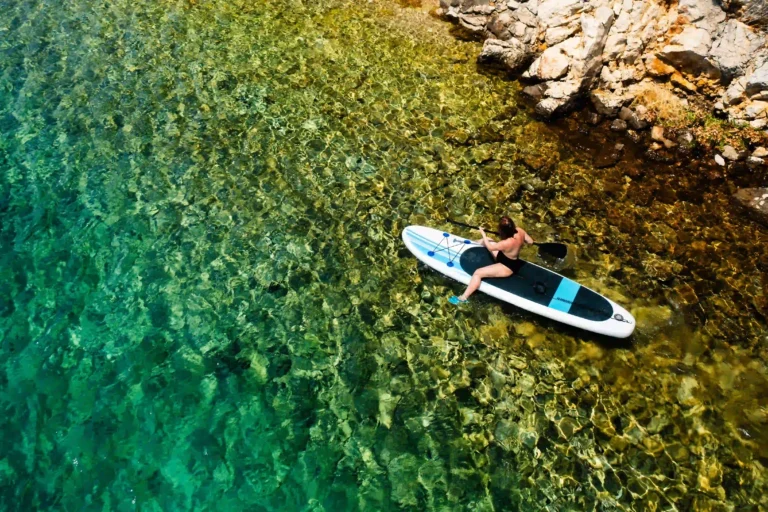
The waters around Pylos are among the clearest in southern Greece. According to Pilos Dive Center, the area’s PADI-certified dive centre, average underwater visibility in summer reaches 30 metres or more — which, in practical terms, means the sarcophagi are often clearly visible even from the surface in calm conditions. Water temperature in the peak season sits around 24°C (75°F), dropping to roughly 18°C (64°F) in shoulder months.
The Sarcophagi Shipwreck at 15 metres and the Column Wreck at 10 metres are both accessible to Open Water certified divers. Neither requires advanced certification, though a guided dive is strongly recommended given the archaeological sensitivity of the site.
What Divers Actually See
Visibility figures mean nothing unless the subject is worth seeing. At Sapientza, it is.
The sarcophagi lie clustered in a rocky gully on the seabed, lids scattered among ballast stones and fragments of Roman pottery and roof tiles. The decorative garland reliefs are visible despite nearly two millennia underwater. Schools of sea bream and the occasional octopus move around the wreckage — marine life and ancient history occupying the same space without any particular drama, which is somehow more affecting than either on its own.
The Column Wreck offers a different atmosphere: enormous granite shafts, reddish-coloured, lying scattered on the sea floor at shallow enough depth that natural light reaches them well. These are columns from a building commissioned by the same Herod who built the Temple in Jerusalem — and they’re lying on the bottom of the Ionian Sea, near a Greek island, because a ship went down 2,000 years ago. Few dive sites in the world pack that much history into a single dive.
Beyond the two wrecks, the waters around Sapientza are rich in marine life — sea urchins, octopuses, starfish, and a variety of Mediterranean fish species are common. The island’s caves and rocky coastline also attract snorkelers and free divers looking to explore without full scuba gear.
Who Can Dive Here?
Is Sapientza Suitable for Beginners?
The short answer is yes, with guidance. Both main wrecks sit at depths accessible to Open Water certified divers (PADI Open Water or equivalent). The Column Wreck at 10 metres is particularly suitable for newer divers.
For those without certification, Discover Scuba Diving programmes — offered by both Pilos Dive Center and Aqua Divers Club in Pylos — allow first-timers to experience supervised dives under instructor guidance. These are not certification courses, but they do let non-certified visitors get in the water.
Snorkeling is a legitimate option too. In calm conditions, the sarcophagi at 15 metres are sometimes visible from the surface in exceptionally calm summer conditions according to multiple dive operators in the region — though snorkelers will get a better look at the Column Wreck given its shallower depth. Several boat tours from Methoni include a snorkeling stop specifically at the sarcophagi site.
Do Divers Need to Bring Their Own Equipment?
No. Both Pilos Dive Center and Aqua Divers Club offer full equipment rental. It’s worth confirming availability in advance during peak season (July–August), when demand is higher.
How to Get to Sapientza Island
From Pylos (20 Minutes by Boat)
Pilos Dive Center (located on Kalamatas Street in Pylos) runs guided dive trips to Sapientza by boat. The boat ride from Pylos takes approximately 20 minutes. For travelers based in Pylos, this is the most logical starting point and offers the most structured dive experience with PADI-certified instructors.
From Methoni (10 Minutes by Boat)
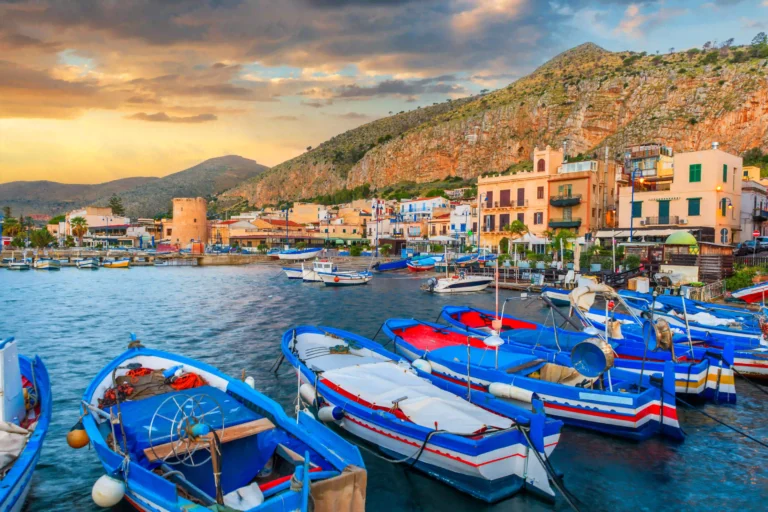
Methoni, the small coastal town directly opposite Sapientza, is the closest departure point. The boat ride is about 10 minutes. Boat tours from Methoni — including Sapientza Cruises and Methoni Boat Rentals — run to the island through the summer season, often combining snorkeling at the wreck sites with a swim at Ammos Beach and a walk to the 1885 lighthouse on the island’s southern tip.
These tours are not always dive-certified operations, so travelers specifically wanting guided scuba dives should book with Pilos Dive Center or Aqua Divers Club rather than a general boat tour.
From Finikounda
A third option: Captain Kostas with Bebis Boat departs daily from the small harbour at Finikounda at around 10:00am. This is an informal, local operation — no website — but an option for travelers staying further along the Messinian coast.
How Much Does It Cost?
Pricing for dive tours in this area is not always published online, and operators update rates seasonally. The figures below reflect current available information; always confirm directly with operators before booking.
| Experience | Provider | Approx. Cost |
|---|---|---|
| Guided fun dive (certified diver) | Pilos Dive Center | ~€55–75 / $60–82 per dive |
| Discover Scuba Diving (beginner) | Pilos Dive Center / Aqua Divers | ~€70–90 / $77–99 per person |
| PADI Open Water Course (4 days) | Pilos Dive Center | ~€350–400 / $383–438 |
| Boat tour with snorkeling stop | Sapientza Cruises / local operators | ~€30–50 / $33–55 per person |
| Private boat charter (full day) | Methoni Boat Rentals / various | ~€150–300 / $164–328 |
Prices are approximate. Equipment rental is typically included in guided dive prices. Confirm current rates directly with operators.
Pilos Dive Center — Kalamatas Street, Pylos. Tel: +30 27230 22408
Aqua Divers Club — Pylos, PADI Dive Center
Sapientza Cruises — departs Methoni harbour
When Is the Best Time to Dive at Sapientza?
Diving is possible year-round in this part of Greece, but the sweet spot for most visitors is May to October.
June and September tend to offer the best combination: visibility is excellent, water temperature is comfortable (22–24°C / 72–75°F), and the site is quieter than peak summer. July and August bring warmer water — around 24–26°C (75–79°F) — and the highest visitor numbers, which doesn’t affect the dive itself much, but does mean boat tours and accommodation need to be booked in advance.
October is worth considering for more independent travelers. Sea temperatures stay warm enough for comfortable diving well into the month, crowds thin considerably after mid-September, and the light in the Messinian coastal area in autumn is excellent.
The cooler months (November–April) see the dive centres continue to operate, but conditions can be variable and advance communication with operators is essential.
What Else Is on Sapientza Island?
Diving is the main reason to make the trip, but it’s not the only reason.
The island is uninhabited (two permanent residents were recorded in the 2011 census — make of that what you will) and protected natural area, which means no shops, no restaurants, and no facilities. Visitors should bring water, snacks, and sun protection. Overnight stays and camping are not permitted.
Ammos Beach — on the island’s northern side, facing Methoni — offers a sheltered sandy beach for swimming when the dive is done. The water is calm and the setting is completely uncommercialised.
The Lighthouse — built in 1885 by British engineers on the island’s southeastern tip — is reachable via a walking trail through the Koumarodasos forest, where the arbutus shrub grows to full tree height, a phenomenon found almost nowhere else. The view from the lighthouse over the Ionian Sea is worth the walk.
Ammos Beach legend — Sapientza has long been part of local seafaring mythology. Oral tradition in Methoni and Pylos holds that the island’s sea caves once served as a hideout for a pirate called Manetas, who used them as a base for raids and smuggling along these coasts. The exact spot isn’t marked, but some local boat guides know the area and may point it out during coastal tours.
Practical Notes for Divers
Book ahead in peak season. Pilos Dive Center and the Methoni boat tour operators fill up in July and August. If timing is flexible, aim for June or September.
Bring a wetsuit. Even in peak summer, a 3mm wetsuit is recommended. Water at 15 metres is noticeably cooler than the surface.
The site is protected. Both wrecks fall within a Natura 2000 protected zone. Touching or disturbing the sarcophagi or column fragments is prohibited — not just discouraged. Dive guides will brief visitors on this before entering the water.
Non-divers aren’t left out. If traveling with non-divers, the boat trip to Sapientza itself is a worthwhile half-day — Ammos Beach is excellent for swimming, and the lighthouse walk gives a view of both the island and the surrounding archipelago that justifies the trip independently.
Getting to Pylos
Pylos is in the southwestern Peloponnese, roughly 300 km southwest of Athens — about 3.5 hours by car or bus. The nearest airport with regular connections is Kalamata Airport (KLX), approximately 50 km away, with direct flights from Athens and several European cities during summer months. From Kalamata, Pylos is around 1 hour by car.
For more on getting around Greece independently, browse the Off the Algorithm Europe travel guides.
Final Thought
Sapientza is the kind of place that’s hard to oversell because the facts are already remarkable. Roman sarcophagi on the seabed. Herod’s granite columns in 10 metres of Ionian water. An uninhabited island 20 minutes from a small Greek town that most tourists still skip.
Most Mediterranean dive sites offer either marine life or history. Sapientza quietly offers both. Few places in Europe let you swim above Roman cargo that has remained untouched for nearly two thousand years.
That doesn’t require advanced certification. It just requires getting to Pylos and making a booking.
Have you dived at Sapientza or elsewhere in the Peloponnese? Drop your experience in the comments — especially if you’ve dived the Column Wreck. It’s not talked about enough.
Sources: Greek Ephorate of Underwater Antiquities research; Greek News Agenda; Pilos Dive Center (PADI); Greeknewsagenda.gr; Dive In History; Pylosonline.gr; Seazetheday.gr; University of Pennsylvania Expedition Magazine.
Photo by Miltiadis Fragkidis on Unsplash